In the precision-driven world of modern scientific research and development, the ability to meticulously control the environment for sensitive materials is not just a convenience—it's a critical necessity. From safeguarding hygroscopic chemical reagents and delicate biological specimens to protecting advanced electronic components, the humble vacuum desiccator stands as an indispensable guardian in any laboratory. But as we step into 2026, the landscape of laboratory equipment is evolving at an unprecedented pace. How do you navigate the myriad of options to select a vacuum desiccator that not only meets your current demands but also future-proofs your valuable samples and cutting-edge research?
This definitive guide delves deep into the crucial factors, emerging technological advancements, and expert considerations to empower you in making an informed decision. Discover how to choose a vacuum desiccator that ensures unparalleled efficiency, extends the lifespan of your materials, and elevates the integrity of your experimental outcomes.
The Evolving Role of Vacuum Desiccators in 2026: More Than Just a Box
While the fundamental principle of a Vacuum Desiccator—creating a low-humidity, often oxygen-deprived environment by evacuating air—remains steadfast, 2026 introduces a paradigm shift. What was once a static container is now transforming into an integrated component of the smart laboratory, driven by innovations in materials science, automation, and digital connectivity.
Key Technological & Operational Shifts Shaping Vacuum Desiccator Selection in 2026:
- Seamless Smart Lab Integration & Predictive Automation: The proliferation of IoT (Internet of Things) within scientific facilities means isolated equipment is becoming obsolete. Leading Laboratory desiccators in 2026 feature integrated, high-precision sensors for continuous, real-time monitoring of internal vacuum levels, humidity, and even temperature. Look for models with robust data logging capabilities, secure cloud connectivity, and remote access via web interfaces or mobile apps. Predictive analytics and automated vacuum control cycles are becoming standard, minimizing manual oversight, ensuring consistent environmental parameters, and even alerting users to potential issues before they become critical.
- Revolutionary Material Science & Design Innovation: Beyond the traditional glass and acrylic, the forefront of vacuum desiccator cabinet design now embraces advanced polymers and sophisticated composite materials. These innovations translate into lighter, significantly more robust, and chemically resilient desiccators that can withstand harsher conditions and offer enhanced safety. The focus is on materials that combine high impact resistance with excellent optical clarity and superior chemical compatibility, often leading to more cost-effective long-term solutions.
- Unwavering Focus on Energy Efficiency & Sustainability: With global scientific communities increasingly prioritizing environmental stewardship, manufacturers are innovating for energy efficiency. This includes developing more efficient vacuum pump technologies, optimizing desiccator designs to minimize heat transfer, and improving seal integrity to reduce the frequency of re-evacuation, thereby lowering power consumption, especially crucial for continuous operation.
- Specialized Adaptations for Niche Applications: As research disciplines become more granular and interdisciplinary, the demands on laboratory equipment intensify. Expect to see an increase in highly specialized desiccator designs tailored for specific industry needs. Examples include sterile, aseptic environments for pharmaceutical and biotechnological applications; ESD-safe (Electrostatic Discharge) materials for sensitive electronics and semiconductor manufacturing; and specialized models designed for the unique preservation requirements of advanced materials (e.g., graphene, perovskites) where specific gas environments or ultra-low pressures are critical.
The Definitive 2026 Checklist: Critical Factors for Vacuum Desiccator Selection
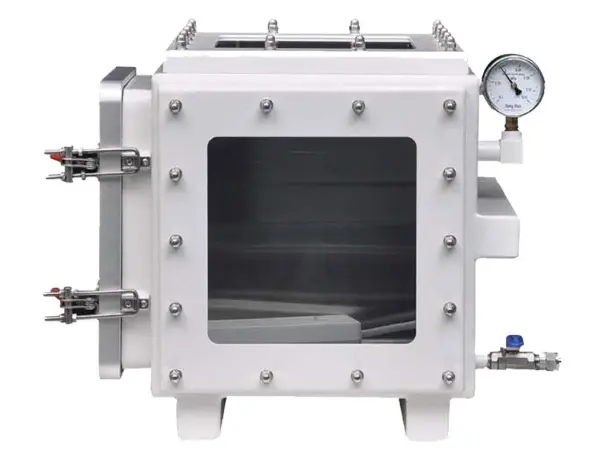
Choosing the ideal vacuum desiccator is a strategic decision that demands a meticulous evaluation of several interconnected factors. Employ this comprehensive checklist to guide your selection process:
1. Material of Construction: The Cornerstone of Protection and Performance
The chosen material directly dictates the desiccator's durability, chemical compatibility, impact resistance, and optical characteristics.
- Polycarbonate (PC): The Modern Workhorse: Increasingly dominant, polycarbonate offers an exceptional blend of crystal-clear transparency, unparalleled impact resistance (effectively shatterproof under normal lab conditions), and a lightweight profile. Many cutting-edge desiccators pair a robust polycarbonate lid with a chemical-resistant polypropylene (PP) base for enhanced versatility. A key advantage: they often feature advanced O-ring seals, ensuring grease-free operation, simplifying maintenance, and eliminating a potential source of contamination.
- Acrylic: The Established Transparent Option: While still widely used, acrylic desiccators are generally less impact-resistant than polycarbonate. They provide good transparency but exhibit varying susceptibility to certain organic solvents. For light-sensitive materials, black or amber acrylic options offer crucial UV filtration.
- Borosilicate Glass: The Traditional Gold Standard: The classic choice, borosilicate glass boasts superior chemical resistance and high optical clarity, making it ideal for visual inspection of samples. However, its inherent fragility, heavier weight, and the traditional reliance on vacuum grease for sealing (which requires meticulous management to prevent contamination) are considerations.
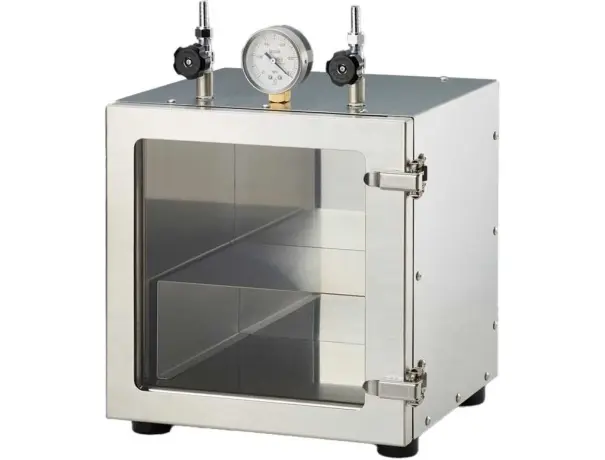
- Stainless Steel (SUS304/SUS316): For the Most Demanding Environments: When dealing with highly corrosive chemicals, extreme temperatures, or requiring maximum durability, stainless steel desiccators (typically SUS304 or higher grade SUS316) offer unparalleled chemical resistance and mechanical strength. While opaque, many specialized stainless steel models—such as those offered by MRC LTD—ingeniously incorporate transparent acrylic or polycarbonate doors, providing visibility without compromising the integrity of the main chamber. This makes MRC LTD a key company to explore for high-end, robust solutions.
2026 Material Insight: Hybrid material designs, specifically polycarbonate lids paired with polypropylene or stainless steel bases, represent a significant trend. These combinations leverage the strengths of each material, offering enhanced safety, improved chemical resistance, and often a more user-friendly, lower-maintenance experience. Stainless steel remains the undebatable choice for the harshest chemical or vacuum environments where compromise is not an option.
2. Size and Capacity: Optimizing Your Lab's Storage Ecosystem
A thorough assessment of your current and projected storage needs is crucial. Consider the precise dimensions of the materials you intend to preserve, along with the available bench or shelf space within your laboratory.
- Round vs. Cabinet-Style:
- Usable Internal Volume: Do not rely solely on external dimensions. Critically evaluate the true usable internal volume and the flexibility for accommodating shelves, trays, or specialized sample holders.
- Stackability & Modularity: For laboratories operating with constrained space, stackable cabinet desiccators offer a highly efficient vertical storage solution. Modular systems allow for future expansion as your research needs grow.
3. Vacuum Performance and Sealing Integrity: The Heart of Desiccation
The capacity to achieve and, more importantly, maintain a stable and consistent vacuum is the fundamental prerequisite for effective desiccation.
- Achievable Vacuum Level: Precisely determine the required vacuum level for your sensitive samples. Standard vacuum desiccators can typically achieve pressures ranging from 0.1 to 101 kPa (0.1 to -0.1 MPa). High-performance models, when paired with an appropriate vacuum pump, can reach ultra-low pressures, sometimes as low as 0.0001 Torr (approximately 0.000013 kPa), critical for highly sensitive applications.
- Vacuum Retention & Leak Rate: A truly high-quality desiccator will exhibit exceptional vacuum retention, minimizing the need for frequent re-evacuation. This performance is a direct reflection of the precision of the seal and the overall integrity of the desiccator's construction materials. Look for specified leak rates from manufacturers.
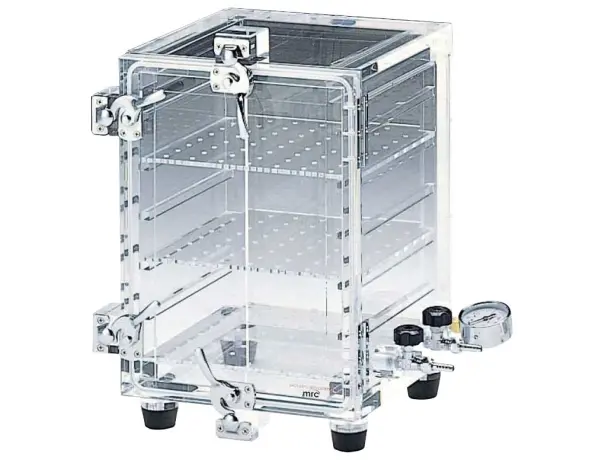
- Valves and Stopcocks: Examine the quality and ease of operation of the integrated valves (often robust PTFE or polypropylene). Multi-way valves are increasingly common, offering enhanced control for purging with inert gases (e.g., nitrogen) or for specific vacuum sequencing.
- Integrated Vacuum Gauge: An essential feature, an integrated analog or digital vacuum gauge provides immediate and accurate monitoring of the internal pressure, ensuring optimal conditions are maintained.
- Seal Type: Opt for advanced O-ring seals (premium silicone or Viton™ for superior chemical resistance). These provide superior airtightness and enable grease-free operation, significantly simplifying maintenance and reducing potential contamination.
2026 Vacuum Insight: The trend is towards intelligent, automated vacuum control systems. These systems can automatically monitor and maintain a pre-set vacuum level, compensating for minor leaks and dramatically reducing manual intervention, freeing up valuable researcher time.
4. Desiccant Compatibility and Intelligent Regeneration: Optimizing Moisture Scavenging
While the vacuum effectively removes bulk atmospheric moisture, a chemical desiccant is often vital for scavenging residual water vapor and maintaining an ultra-dry internal environment.
- Common Desiccants: Understand the properties of widely used desiccants: silica gel (often color-indicating to signal saturation), molecular sieves (renowned for their superior absorption capacity and finer porosity), calcium chloride, and phosphorus pentoxide (for extremely dry conditions).
- Desiccant Tray/Placement: Ensure the desiccator design incorporates a dedicated, easily accessible space or tray for holding the desiccant, ideally situated to avoid direct contact with your samples while maximizing its moisture-absorbing efficiency.
- Regeneration Convenience: Consider the ease with which the desiccant can be regenerated (e.g., by controlled heating in a laboratory oven) to prolong its effective lifespan and maintain peak drying performance.
2026 Desiccant Insight: While traditional desiccants remain fundamental, some sophisticated "auto-dry" desiccators now feature integrated electronic dehumidifier units. These units actively electrolyze moisture within the chamber, significantly reducing or even eliminating the need for traditional desiccants and their associated regeneration cycles, representing a leap in maintenance convenience.
5. Advanced Features & Ergonomic Enhancements: Tailoring to Your Workflow
Modern vacuum desiccators come equipped with a suite of features designed to significantly enhance usability, versatility, and specialized application.
- UV Protection (Amber/Black Tinting): For highly photosensitive materials, desiccators constructed from amber or opaque black acrylic/polycarbonate are indispensable, providing critical protection against harmful UV radiation.
- Anti-Static Properties & ESD Safety: Absolutely crucial for the electronics industry or when handling fine powders, anti-static desiccators prevent electrostatic discharge (ESD) that can damage sensitive components and minimize the problematic attraction of dust particles.
- Customizable Shelving Systems: Look for adjustable, perforated, or removable shelves that enhance internal organization, promote uniform airflow (especially important during vacuum cycling), and accommodate items of varying sizes.
- Enhanced Portability: Lightweight designs, integrated handles, and non-slip feet are invaluable for laboratories that require flexibility in equipment placement or occasional relocation.
- Autoclavability for Sterile Applications: For pharmaceutical, biotechnology, and microbiology labs, specific polypropylene or certain advanced polycarbonate desiccators are designed to be fully autoclavable, allowing for rigorous sterilization between uses and ensuring aseptic conditions.
- Seamless Integration with Auxiliary Equipment: Consider the connectivity options if your desiccator needs to integrate directly with an external vacuum pump, inert gas lines, or data logging systems.
Ensuring Longevity: Maintenance Best Practices for Your Vacuum Desiccator
Proper, consistent maintenance is not merely an optional task; it is fundamental to ensuring the long-term performance, reliability, and extended lifespan of your significant laboratory equipment investment.
- Regular Cleaning Protocols: Utilize mild detergents and soft, non-abrasive cloths. Crucially, avoid harsh solvents such as acetone, benzene, carbon tetrachloride, or lacquer thinners, as these can irreversibly damage plastic materials, causing hazing, cracking, or material degradation. For stainless steel, adhere strictly to manufacturer guidelines to prevent staining or corrosion.
- Seal Inspection & Replacement: Routinely inspect all O-rings and other sealing components for any signs of cracks, excessive wear, deformation, or embedded debris. Promptly replace any compromised seals to maintain an impeccably airtight environment.
- Vacuum Pump Care & Servicing: If your desiccator relies on an external vacuum pump, strictly adhere to its specified maintenance schedule. This typically includes regular oil changes for rotary vane pumps, filter replacements, and ensuring proper ventilation.
- Proactive Desiccant Management: Continuously monitor the saturation level of your desiccant. Regenerate or replace it immediately upon saturation to ensure continuous, optimal moisture absorption.
- Door Alignment & Integrity: For cabinet-style models, periodically verify that doors are properly aligned and latch securely to prevent any potential vacuum leaks.