Biochemical Oxygen Demand (BOD) serves as a critical indicator of the organic pollution present in water bodies. Its measurement aids in assessing the health of aquatic ecosystems and determining the efficacy of wastewater treatment processes. This article explores the methods and importance of measuring BOD in water samples.
Biochemical Oxygen Demand (BOD) refers to the amount of dissolved oxygen consumed by microorganisms while decomposing organic matter in water at a specific temperature over a specific period, typically five days at 20°C. High BOD levels signify the presence of organic pollutants, such as sewage and agricultural runoff, which deplete oxygen levels, endangering aquatic life.
Measuring BOD is crucial for evaluating water quality and assessing the extent of organic pollution. It helps regulatory authorities enforce environmental standards, monitor pollution levels, and implement remedial measures to safeguard water resources and aquatic ecosystems.
What is Biochemical Oxygen Demand (BOD)?
Biochemical Oxygen Demand is a vital parameter used to quantify the amount of organic matter in water. It reflects the oxygen required by microorganisms to break down organic substances into simpler compounds, such as carbon dioxide and water, through aerobic respiration.
Why is BOD Measured?
Biochemical Oxygen Demand measurement aids in determining the biodegradable organic content present in water, which directly affects oxygen levels crucial for sustaining aquatic life. It helps identify pollution sources, assess treatment efficiency, and predict potential environmental impacts.
Factors Affecting BOD Measurement
Several factors influence Biochemical Oxygen Demand measurements, including temperature, pH, microbial activity, and the presence of inhibitors or toxic substances. Understanding these variables is essential for accurate BOD assessments.
Methods for Measuring BOD in Water Samples
Various methods exist for measuring BOD, with the most common being the Standard BOD Test and the Modified BOD Test. Continuous monitoring techniques offer real-time data on water quality and facilitate prompt interventions.
Standard BOD Test
The Standard BOD Test involves incubating water samples in a controlled environment for five days and measuring the dissolved oxygen depletion using a dissolved oxygen probe or titration method.
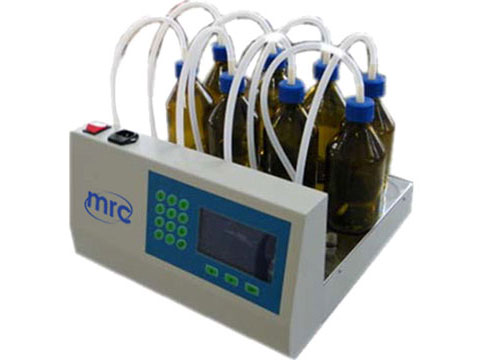
Accurate BOD measurement depends not only on the test method, but also on proper sample handling and stable laboratory conditions. Water samples should be collected in clean containers, tested as soon as possible, and incubated at a controlled temperature to prevent changes in microbial activity. Using a reliable BOD incubator, dissolved oxygen meter, BOD bottles and suitable dilution water helps laboratories achieve more repeatable results, especially when comparing wastewater samples, surface water samples or treated effluent over time.
Modified BOD Test
The Modified BOD Test accelerates the incubation process by supplementing samples with seed cultures or microbial inoculants, reducing the testing duration to less than five days.
Continuous Monitoring Techniques
Continuous monitoring systems employ sensors to measure dissolved oxygen levels in real-time, providing instantaneous feedback on water quality and enabling proactive management strategies.
Procedure for Measuring Biochemical Oxygen Demand
The BOD measurement process entails several steps, including sample collection, incubation, titration, and calculation of BOD values based on oxygen depletion.
Sample Collection
Water samples should be collected in clean, sterilized containers from representative locations within the water body, ensuring proper preservation to maintain sample integrity.
Incubation Period
Samples are incubated at a constant temperature of 20°C for five days in darkness to simulate natural microbial activity and organic decomposition processes.
Titration and Calculation
After the incubation period, the remaining dissolved oxygen in the samples is titrated with a standardized solution of potassium permanganate, and BOD values are calculated based on the amount of oxygen consumed.
Factors Affecting BOD Measurement
Several factors can influence Biochemical Oxygen Demand measurements, including temperature variations, the presence of inhibitory substances, dissolved oxygen levels, and microbial activity.
Importance of Accurate BOD Measurements
Accurate BOD measurements are essential for assessing water quality, designing effective pollution control measures, and mitigating environmental impacts on aquatic ecosystems and human health.
Environmental Implications of BOD Levels
High BOD levels in water bodies lead to oxygen depletion, causing fish kills, algal blooms, and habitat degradation. Effective BOD management is crucial for preserving biodiversity and ensuring the sustainability of freshwater resources.