Biological Safety Cabinets (Biological Safety Cabinets) are a cornerstone of laboratory safety, providing a controlled environment for handling hazardous materials. As laboratories increasingly focus on precision and safety, understanding how these cabinets work becomes paramount.
In the dynamic landscape of scientific research, where breakthroughs are celebrated, ensuring the safety of researchers and maintaining the integrity of experiments is non-negotiable. This is where Biological Safety Cabinets (Biological Safety Cabinets) step in as silent guardians, creating a barrier between the user and potentially harmful agents.
Why is it important to use Biological Safety Cabinets in laboratories?
Protection of Personnel and Environment
The primary role of Biological Safety Cabinets is to safeguard laboratory personnel and the surrounding environment from exposure to biohazards. The airflow within the cabinet is meticulously engineered to prevent the escape of contaminants, creating a secure space for experimentation.
Containment of Hazardous Materials
Whether it's working with infectious microorganisms or handling toxic chemicals, Biological Cabinets offer a secure containment system. This containment prevents accidental exposure and ensures that the materials being manipulated remain within the controlled environment.
Types of Biological Safety Cabinets
Understanding the different classes of Biological Safety Cabinets is crucial for selecting the appropriate unit for specific laboratory needs.
Class I, Class II, and Class III Biological Safety Cabinets
Class I Biological Cabinets provide personnel and environmental protection, while Class II add product protection. Class III, on the other hand, are totally enclosed, offering the highest level of protection for the user, the product, and the environment.
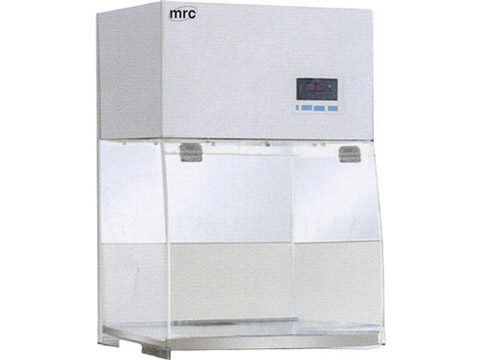
How Biological Safety Cabinets Work
Airflow Principles
The airflow within a BSC is a carefully orchestrated dance, with intake and exhaust air streams strategically designed to maintain a sterile environment. This prevents the escape of contaminants, ensuring a safe workspace.
HEPA Filters and Their Role
High-Efficiency Particulate Air (HEPA) filters are the unsung heroes of Biological Safety Cabinets, trapping microscopic particles and ensuring that the air inside the cabinet is free from contaminants.
Proper Installation and Maintenance
Location Considerations
Installing a BSC in the right location is critical. Factors such as air drafts, proximity to doors or windows, and overall lab layout can impact the effectiveness of the cabinet.
Regular Testing and Certification
Routine testing and certification are essential to guarantee the continued functionality of the BSC. This involves checking airflow patterns, verifying filter integrity, and ensuring a sterile environment.
Ensuring Operator Safety
Personal Protective Equipment (PPE)
While Biological Cabinets provide a protective barrier, wearing the right personal protective equipment adds an extra layer of security. Lab coats, gloves, and safety goggles are essential components of a researcher's armor.
Training and Protocols
Proper training in BSC usage is a must. Researchers should be familiar with protocols for starting up, operating, and shutting down the cabinet to maximize safety.
Common Applications of Biological Safety Cabinets
Cell Culture
They are important in cell culture work, creating a contamination-free environment for the growth and manipulation of cells.
Microbiological Research
In microbiological research, where precision is paramount, Biological Safety Cabinets provide the necessary containment for handling bacteria, viruses, and other pathogens.
Choosing the Right BSC for Your Lab
Assessment of Laboratory Needs
Each laboratory is unique, with specific requirements. Assessing the needs of the lab, including the types of materials handled, is crucial for selecting the right BSC.
Regulatory Compliance
Compliance with Occupational Safety and Health Administration (OSHA) regulations and Centers for Disease Control and Prevention (CDC) guidelines is mandatory. Choosing a BSC that meets these standards is a priority.