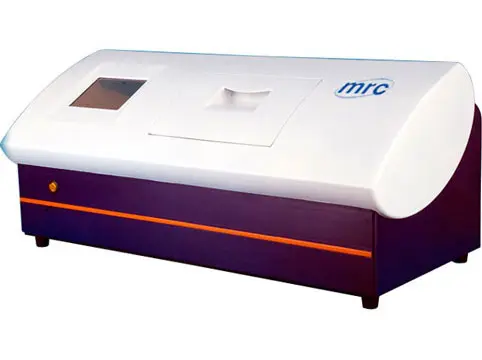
An automatic polarimeter is an advanced version of a standard polarimeter that provides precise optical rotation measurements. It consists of key components such as a light source, polarizer, sample chamber, detector, and digital display. These instruments are widely used in pharmaceutical, chemical, and food industries.
Routine Cleaning and Care
Why Cleaning is Important
Dirt and residue buildup can affect measurement accuracy. Regular cleaning prevents contamination and ensures reliable results.
Best Practices for Cleaning
- Use a soft, lint-free cloth to wipe the exterior.
- Avoid harsh chemicals that can damage sensitive parts.
- Clean the sample chamber after every use to prevent residue accumulation.
Calibration and Verification
Calibration ensures the accuracy of measurements. It should be performed at least once a month or as per the manufacturer’s guidelines.
Calibration Steps:
- Use a certified calibration standard (e.g., quartz plates).
- Follow the calibration instructions in the user manual.
- Verify the results using a known reference sample.
Proper Handling of Samples
Contaminated or improperly prepared samples can affect readings. Use clean pipettes, filtered solutions, and maintain consistent temperature conditions.
Storage and Environmental Considerations
Ideal Storage Conditions
- Keep the polarimeter in a temperature-controlled environment.
- Avoid exposure to direct sunlight and moisture.
- Use a protective cover when not in use.
Software Updates and Firmware Maintenance
Manufacturers release updates to improve accuracy and functionality. Check for software updates every few months and install them as needed.
Battery and Power Supply Maintenance
- Ensure stable power connections.
- If using battery-operated models, replace batteries before they expire.
- Avoid power surges by using a stabilizer or UPS.
Avoiding Mechanical Damage
- Handle the instrument with care.
- Keep it on a stable surface to prevent vibrations.
- Avoid accidental drops or impacts.