Freeze-drying, or lyophilization, is a preservation method that removes moisture from materials while keeping their structure and composition intact. This technique was first developed during World War II to transport blood plasma safely. Today, it’s widely used in pharmaceuticals, research, and beyond.
In terms of science
The freeze-drying process relies on sublimation, where ice turns directly into vapor without melting. This phenomenon occurs under low-pressure conditions, allowing moisture to be removed gently without damaging sensitive biological samples.
Types of Biological Samples Preserved
- Tissues: Freeze-drying helps maintain cellular structure for histological studies.
- Cells: Enables long-term storage of cell lines without compromising viability.
- Microorganisms: Essential for preserving bacteria, fungi, and viruses for research.
- Vaccines and Pharmaceuticals: Ensures stability and shelf-life in extreme conditions.
The Freeze-Drying Process Explained
Freezing Stage
The sample is frozen to a temperature below its eutectic point, solidifying all water content.
Primary Drying Stage
Under vacuum conditions, the ice undergoes sublimation, leaving behind a porous structure.
Secondary Drying Stage
Remaining water molecules are desorbed, reducing moisture content to minimal levels.
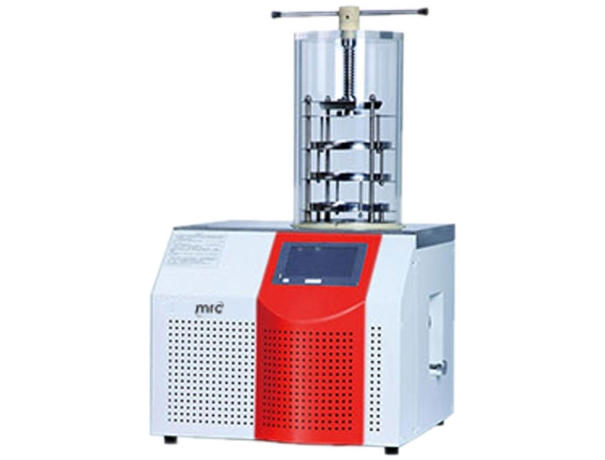
Advantages of Using Freeze-Dryers
- Long-Term Stability: Freeze-dried samples remain stable for years without refrigeration.
- Retention of Biological Activity: Ensures that enzymes, proteins, and cells remain functional.
- Lightweight and Portable Samples: Ideal for transportation and fieldwork.
Applications of Freeze-Drying in Biological Research
- Medical Research: Preserving rare tissues and facilitating organ transplantation.
- Biotechnology: Ensuring the integrity of genetically modified organisms (GMOs).
- Food and Agriculture: Extending the shelf-life of probiotics and plant seeds.
Improving Freeze-Drying Efficiency
Freeze-Drying in the Pharmaceutical Industry
In pharmaceuticals, Freeze Dryers ensures that drugs retain their potency and effectiveness. From antibiotics to biologics, this method is integral to drug formulation.