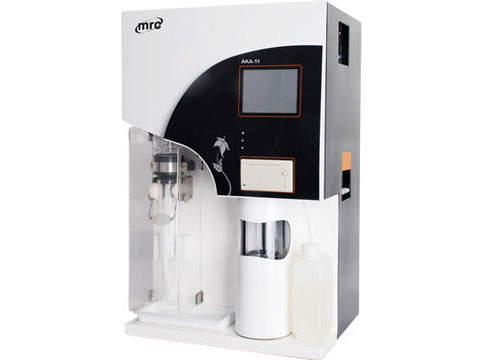
What really goes on during digestion, neutralization, and distillation? Let’s dive in and break down this chemistry magic, step by step.
Applications of the Method
- Food and feed analysis (protein determination)
- Soil fertility testing
- Environmental monitoring
- Pharmaceuticals and chemicals
Step-by-Step Breakdown of the Kjeldahl Process
The Kjeldahl method is split into three essential stages:
- Digestion – Break everything down to release nitrogen.
- Neutralization – Convert acidic solutions to alkaline.
- Distillation – Separate ammonia for measurement.
Stage 1 – Digestion
What Happens During Digestion?
The sample is heated in concentrated sulfuric acid. Organic nitrogen (from proteins, for example) is transformed into ammonium sulfate. This breaks down complex materials into simpler forms.
Chemicals Used in Digestion
- Concentrated H₂SO₄ (Sulfuric Acid): The backbone of the process.
- Catalyst (Copper, Selenium, or Mercury): Speeds up the reaction.
- Boiling Chips or Anti-bumping Granules: Prevents splashing and promotes smooth boiling.
Role of Sulfuric Acid and Catalyst
Sulfuric acid oxidizes the organic matter, while the catalyst ensures the process happens quickly and completely. Without them, digestion could take hours—or fail altogether.
Why is Heating Necessary?
Heat ensures complete breakdown of carbon and nitrogen-containing compounds. Usually, temperatures between 350–420°C are maintained for optimal digestion.
Stage 2 – Neutralization
Why Neutralization is Required
After digestion, the mixture is highly acidic. To release ammonia gas from ammonium ions, we need to raise the pH using a strong base like sodium hydroxide (NaOH).
Process of Adding Base (NaOH)
NaOH is added carefully and slowly to avoid boiling over. This reacts with ammonium sulfate to liberate ammonia gas (NH₃).
Indicators Used in Neutralization
In manual titration methods, indicators like methyl red or bromocresol green are used later to signal endpoint during titration.
Stage 3 – Distillation
Role of Distillation in Separating Ammonia
Here’s where it gets exciting. Ammonia gas formed during neutralization is boiled off and then captured in an acid solution (like boric acid).
Condensation and Collection of Ammonia
As ammonia gas travels through the distillation system, it gets condensed and absorbed in a boric acid solution—setting the stage for final quantification.
Use of Boric Acid or Acid Traps
Boric acid traps ammonia by forming ammonium borate, which is later titrated to determine the amount of nitrogen.
Chemical Reactions in Each Stage
Digestion:
Organic-N + H₂SO₄ → (NH₄)₂SO₄
Neutralization:
(NH₄)₂SO₄ + 2NaOH → 2NH₃ + Na₂SO₄ + 2H₂O
Distillation & Capture:
NH₃ + H₃BO₃ → NH₄⁺ + H₂BO₃⁻
Equipment Used in the Kjeldahl Method
- Digestion Block or Kjeldahl Flask: Heat-resistant container for the reaction.
- Distillation Apparatus: Steam or electric-powered units that distill ammonia.
- Titration Setup: For final nitrogen quantification.
Importance of Accuracy and Calibration
Even a small mistake—like underheating or using a contaminated catalyst—can throw off your results. Instruments must be calibrated and maintained to ensure high accuracy and repeatability.
Safety Measures in the Lab
Handling sulfuric acid and boiling hot liquids? Yeah, that needs care. Always:
- Wear gloves, goggles, and a lab coat.
- Work under a fume hood.
- Dispose of acid and chemical waste as per guidelines.
Variations of the Kjeldahl Method
Micro-Kjeldahl
Used for small sample sizes—perfect for pharma or research labs.
Automated Systems
Modern labs often use robotic or automated distillers to speed things up and reduce human error.