A tensiometer is a device used to measure tension. This tension could be in soil, blood pressure, or surface tension of liquids. Tensiometers are crucial tools in agriculture, healthcare, and scientific research, providing accurate measurements that guide critical decisions.
In agriculture, they help monitor soil moisture levels to optimize irrigation. In healthcare, they are essential for measuring blood pressure, a critical vital sign. In research and industrial applications, surface tensiometers measure the surface tension of liquids, aiding in quality control and formulation of products.
Types of Tensiometers
Soil Tensiometers
Soil tensiometers are used primarily in agriculture to measure the moisture content in the soil. This helps farmers and gardeners optimize watering schedules, ensuring that plants receive the right amount of water.
Blood Pressure Tensiometers
These are commonly known as blood pressure monitors. They measure the force exerted by circulating blood on the walls of the body's arteries, helping in monitoring and managing hypertension.
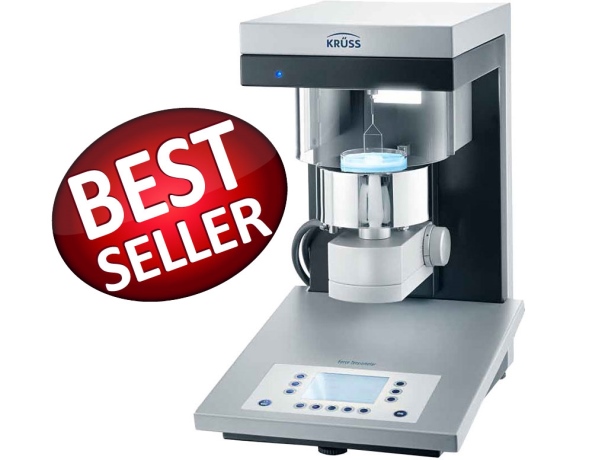
Surface Tensiometers
Surface tensiometers measure the surface tension of liquids. They are widely used in research and industrial settings to ensure the quality and consistency of products like paints, inks, and coatings.
How Tensiometers Work
Basic Principles
Tensiometers operate on the principle of measuring tension or pressure. In soil tensiometers, this involves the tension exerted by soil moisture. Blood pressure tensiometers measure arterial pressure, while surface tensiometers measure the cohesive forces at the surface of a liquid.
Components of a Tensiometer
- Sensor: Detects the pressure or tension.
- Gauge or Digital Display: Shows the measurement.
- Probe or Cuff: The part that comes into contact with the medium being measured (soil, skin, liquid).
- Calibration Mechanism: Ensures accuracy of measurements.
Key Features to Consider
Accuracy
Accuracy is paramount in a tensiometer, as precise measurements are critical for effective monitoring and decision-making.
Durability
A durable tensiometer ensures long-term usability, especially in rugged conditions like outdoor soil monitoring or industrial environments.
Ease of Use
User-friendly design and intuitive controls make tensiometers easier to operate, reducing the likelihood of errors.
Calibration
Regular calibration is necessary to maintain the tensiometer's accuracy. Look for models that offer easy and reliable calibration methods.
Choosing the Right Tensiometer for Soil
Types of Soil Tensiometers
- Water-Filled Tensiometers: Use a water column to measure soil moisture tension.
- Electrical Resistance Tensiometers: Measure soil moisture through electrical resistance changes.
Factors to Consider
- Soil Type: Different soils have different moisture retention properties.
- Depth of Measurement: Some tensiometers measure surface moisture, while others go deeper.
- Climate Conditions: Choose a tensiometer that can withstand local weather conditions.
Choosing the Right Tensiometer for Blood Pressure
Types of Blood Pressure Tensiometers
- Manual Blood Pressure Monitors: Use a cuff and a stethoscope.
- Digital Blood Pressure Monitors: Offer automatic readings and are easy to use.
Factors to Consider
- Accuracy: Especially important for monitoring health conditions.
- Ease of Use: Digital monitors are generally easier for home use.
- Portability: Compact and lightweight models are more convenient for regular monitoring.
Choosing the Right Surface Tensiometer
Types of Surface Tensiometers
- Drop Volume Tensiometers: Measure the volume of a drop of liquid.
- Capillary Rise Tensiometers: Measure the height a liquid rises in a capillary tube.
Factors to Consider
- Precision: High precision is crucial for research and quality control.
- Sample Compatibility: Ensure the tensiometer is compatible with the types of liquids you need to measure.
- User Interface: Look for models with clear displays and easy operation.