When it comes to measuring small quantities of substances, precision is key. And in a laboratory setting, accuracy can make all the difference in the outcome of experiments and analyses. This is where a laboratory precision balance 0.01g comes into play. In this article, we will explore what a laboratory precision balance is, how it works, its importance in a laboratory setting, and tips for choosing the right one for your needs.
What is a laboratory precision balance?
A laboratory precision balance is a type of scale used in a laboratory setting to measure small quantities of substances with a high degree of accuracy. These balances are designed to be extremely sensitive and precise, measuring weights down to 0.01g.
How does a laboratory precision balance work?
A laboratory precision balance works by using a system of weights and balances to determine the weight of an object. The balance consists of a platform on which the object is placed, and a set of weights on the other side. When the platform is in balance, the weight of the object can be determined by reading the position of the weights on the scale.
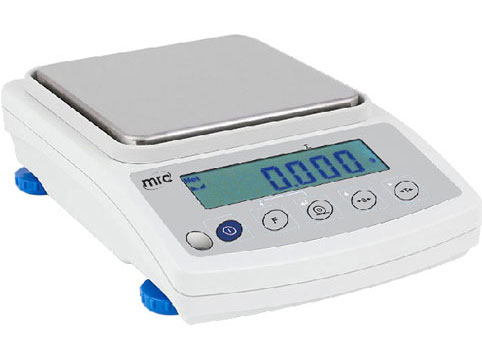
Importance of Laboratory Precision Balance 0.01g in a Laboratory Setting
Accuracy
One of the most important reasons to use a laboratory precision balance is accuracy. In a laboratory setting, even small errors in measurement can have a significant impact on the outcome of experiments or analyses. This balance is designed to be extremely accurate, allowing researchers to obtain the most precise measurements possible.
Reproducibility
In many experiments or analyses, it is important to be able to reproduce results. researchers can ensure that their measurements are consistent and reproducible.
Versatility
It can be used to measure a wide range of substances, from chemicals and powders to liquids and even living organisms. This versatility makes it an essential tool in many different areas of research and analysis.
Choosing the Right Laboratory Precision Balance 0.01g
Capacity
One of the most important factors to consider is capacity. The capacity of a balance refers to the maximum weight it can measure. For most laboratory applications, a balance with a capacity of 100g or less is sufficient.
Readability
Another important factor to consider is readability. Readability refers to the smallest weight that the balance can measure. A balance with a readability of 0.01g is sufficient for most laboratory applications.
Calibration
Calibration is also an important factor to consider . A Laboratory balance that is not properly calibrated will not provide accurate measurements. It is important to choose a balance that can be easily calibrated and that comes with calibration weights.
Features
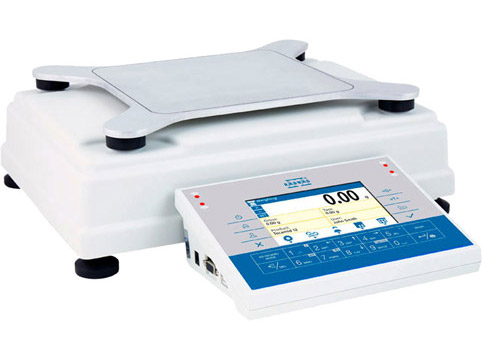
Some balances come with built-in timers or data collection capabilities, which can be useful in certain applications.
Tips
Avoid Air Currents
Air currents can affect the accuracy of a laboratory precision balance. It is important to use the balance in an area that is free from drafts or air currents.
Use a Draft Shield
A draft shield is a device that surrounds the balance and helps to protect it from air currents. Using a draft shield can help to improve the accuracy of the balance.
Zero the Balance
Before using the balance, it is important to zero it out. This involves adjusting the weights on the balance so that it reads zero when there is nothing on the platform.
Handle with Care
It is important to avoid touching the platform or weights with bare hands, as oils and dirt from the skin can affect the accuracy of the balance.
Clean Regularly
It is also important to clean the balance regularly. This involves using a soft brush or cloth to remove any dust or debris from the platform and weights.
Store Properly
Finally, it is important to store the balance properly when it is not in use. This means keeping it in a clean and dry area, away from any sources of heat or moisture.