A Class B autoclave is a type of sterilization equipment that uses steam and pressure to clean and sterilize items. Class B autoclaves are typically used to sterilize surgical instruments and other medical equipment in healthcare settings. This is a necessary dental instrument to maintain a proper sterilization level for the patient and the medical staff. Class B typically have a higher capacity than other types of autoclaves, making them ideal for use in hospitals and other large healthcare facilities.
Sterilization in dental practice is essential to protect patients from infection. Class B autoclaves are an important part of ensuring sterilization standards are met.
Kinds of Autoclaves
Different types of autoclaves can be used in the dental clinic. Dental equipment is necessary for regular and proper work.The three most common types are Class B, Class S, and Class N.
Class B Autoclaves
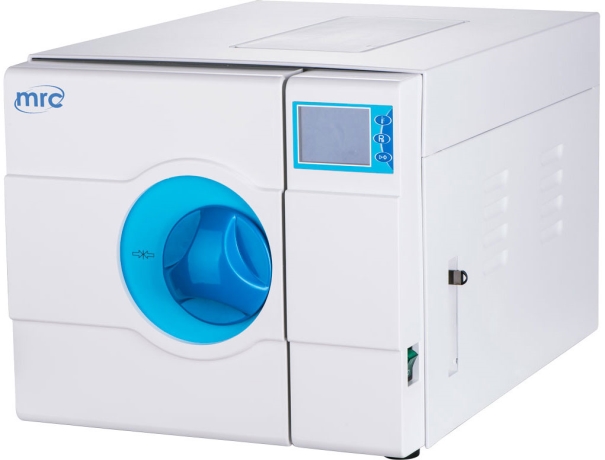
Class B autoclaves remove air from inside the chamber using a pre-vacuum cycle. This type of autoclave is typically used in healthcare settings to sterilize surgical instruments and other medical equipment. It can sterilize porous instruments with a high level of efficiency. An advanced class B autoclave has 20 min cycle time and is much faster than the older models.
Class S Autoclaves
Class S is similar to Class B but also has a drying cycle. This type is often used when speed is essential, such as in emergency or operating rooms. When it is turned on, a vacuum pump creates a negative pressure inside the chamber, forcing steam in. Class S typically have shorter cycle times than Class B. Advanced Class S models include a water quality detector and universal basket on the stand, which needs a small working space.
Class N Autoclaves
Class N autoclaves use a Bowie-Dick test to complete the sterilization cycle properly. This type of test uses a strip of paper that changes color when exposed to steam. It removes only a portion of the air by gravity, allowing the steam produced to propel the air out. The paper is placed inside the chamber during the sterilization cycle. The sterilization cycle was not completed properly if the paper did not change color. These types are not recommended for a dental clinic.
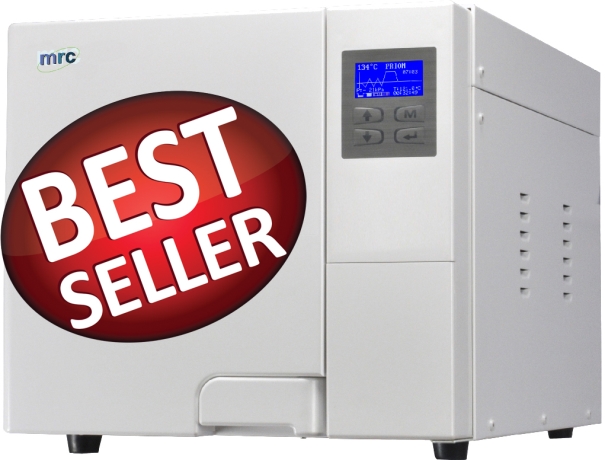
Choosing the right type for your specific needs is important. Class B autoclaves are typically used to sterilize surgical instruments and other medical equipment in healthcare settings. Class S is similar to Class B but also has a drying cycle. Class N autoclaves use a Bowie-Dick test to complete the sterilization cycle properly.
How do autoclaves work?
Class B use saturated steam under pressure to reach the required temperature for sterilization. The autoclave then uses a dry cycle to remove all the water vapor from the chamber, leaving the items inside dry and sterile.
Autoclaves are classified by their ability to reach and maintain certain temperatures and pressures. Class B can reach temperatures of 134°C (273°F) and pressures of 15 psi (pounds per square inch).
After sterilization, the autoclave door opens, and the items inside are removed.
Sterilization is a critical part of infection control in healthcare settings. Class B are reliable and effective sterilization methods that can help prevent the spread of disease.
Things to consider before buying an Autoclave
Different types of autoclaves are available on the market, and each type has advantages and disadvantages. Choosing the right for your specific needs is important.
- ●The size of the autoclave chamber is an important consideration. You will need to choose an autoclave that is large enough to accommodate the items you need to sterilize. 8 to 24 liters is the standard size.
- ●Automatic autoclaves are more expensive than semi-automatic , but they are easier to use. If you are unfamiliar with operating an autoclave, you may want to choose an automatic model.
- ●The cycle time is the time it takes for the autoclave to complete one sterilization cycle. Class B typically has a cycle time of 20 minutes, though some newer models may be faster. Class B can reach temperatures of 134°C (273°F) and pressures of 15 psi (pounds per square inch).
- ●Choosing an autoclave from a reputable manufacturer that offers a warranty and technical service is important. This will ensure that you can get help if you have problems with your device.
- ●Some autoclaves come with accessories, such as trays or racks, that can be used to sterilize small items. These accessories can be helpful if you need to sterilize various items.
- ●The autoclave chamber is typically made of stainless steel. Some models also have a glass door, allowing you to see the items inside while sterilizing
Application of an Autoclave
The autoclave has many uses besides dental and they are:
- biological waste
- sterilize instruments, and labware.
- medical equipment
- plastic tubes
- pipette tips
- cosmetics
Components of Autoclaves
A. Chamber
The autoclave chamber is where instruments are placed for sterilization. It comes in different sizes to accommodate varying loads.
B. Door
A secure door is crucial to maintaining the pressure required for effective sterilization.
C. Control Panel
The control panel allows users to set parameters such as temperature, pressure, and sterilization time.
Operating Autoclaves
A. Loading Instruments
Proper loading is essential for effective sterilization. Instruments should be arranged to allow steam penetration.
B. Setting Parameters
Understanding the specific requirements of different instruments and materials is crucial when configuring autoclave settings.
C. Initiating Sterilization
Once loaded and configured, the autoclave is initiated, and the sterilization cycle begins.
V. Autoclave Maintenance
A. Regular Inspections
Routine inspections ensure that all components are functioning correctly, minimizing the risk of malfunctions.
B. Cleaning Procedures
Thorough cleaning after each use prevents the buildup of residue that could compromise sterilization.
C. Calibration
Regular calibration guarantees that the autoclave operates at the correct temperature and pressure.