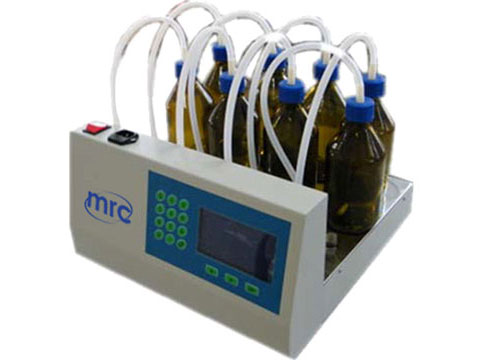
Frequently Asked Questions (FAQs) – BOD (Biochemical Oxygen Demand) Testing
1. What's the difference between BOD5 and ultimate BOD (BODu)?
Answer:
BOD5 refers to the biochemical oxygen demand measured over a 5-day period, which is a standard for regulatory monitoring. BODu, or ultimate BOD, represents the total oxygen demand exerted by biodegradable organic matter over an extended period, typically 20 to 30 days, until all biologically degradable material has been consumed. BOD5 is a practical approximation, while BODu reflects the theoretical oxygen demand.
2. How does temperature affect BOD measurement?
Answer:
Temperature significantly influences microbial activity. Higher temperatures generally increase the rate of biochemical reactions, potentially accelerating oxygen consumption. However, BOD tests are standardized at 20°C to ensure consistent and comparable results. Deviations from this temperature can result in inaccurate measurements.
3. What are the limitations of the Biochemical Oxygen Demand test?
Answer:
Key limitations include:
- It takes 5 days to obtain results (BOD5).
- It only measures biodegradable organic matter, not total organic pollution.
- Results can vary due to microbial activity, temperature, or improper sample handling.
- It is not suitable for toxic samples that inhibit microbial metabolism.
4. What is the typical BOD range for different types of water samples (e.g., raw sewage, treated effluent, natural waters)?
Answer:
- Raw sewage: 150–400 mg/L
- Primary effluent: 100–200 mg/L
- Secondary (treated) effluent: 10–30 mg/L
- Tertiary treated water: <10 mg/L
- Unpolluted natural waters: 0.5–6 mg/L
- Polluted surface waters: >6 mg/L
Methodology & Testing Queries
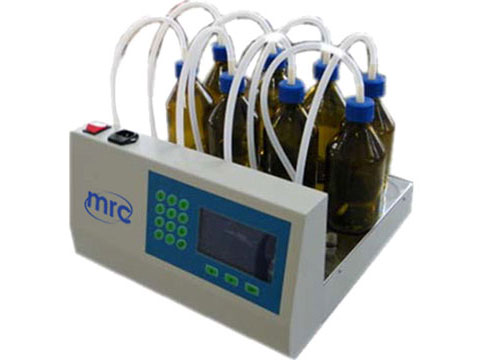
5. What is the standard method for measuring BOD (e.g., dilution method, respirometric method)?
Answer:
The dilution method (Standard Methods 5210B) is the most widely used technique, where samples are diluted with oxygen-saturated water and incubated at 20°C for 5 days. The respirometric method is also common and uses a sealed chamber to measure oxygen consumption based on pressure changes.
6. How do you prepare samples for BOD testing?
Answer:
Samples should be collected in clean, airtight bottles and tested as soon as possible. They may be diluted with BOD dilution water and seeded with microbial inoculum if not already biologically active. Samples must be adjusted to pH 6.5–7.5 and should not contain residual chlorine or toxic substances that inhibit bacteria.
7. What are the reagents and equipment required for a BOD test?
Answer:
- BOD dilution water (deionized water enriched with nutrients)
- Seed inoculum (if necessary)
- BOD bottles (typically 300 mL)
- DO meter or BOD analyzer
- Incubator maintained at 20°C
- Optional: nitrification inhibitor (e.g., allylthiourea)
8. How do you calculate BOD from dissolved oxygen (DO) readings?
Answer:
BOD = DO_initial − DO_final
You measure the dissolved oxygen at the beginning and end of the 5-day incubation. The difference gives the amount of oxygen consumed by microbial activity, representing the Biochemical Oxygen Demand.
9. What is the purpose of seeding in the BOD test, and when is it necessary?
Answer:
Seeding introduces active microorganisms into samples lacking sufficient microbial populations to degrade organics (e.g., industrial effluents or chlorinated water). It's necessary when natural microbial activity is too low to ensure a reliable BOD measurement.
10. How do you calibrate a DO probe for BOD measurements?
Answer:
Calibrate the DO probe using air-saturated water or a zero-oxygen solution (e.g., sodium sulfite) following the manufacturer’s instructions. Calibration should be done before each use to ensure accuracy, especially when measuring low DO levels critical in BOD testing.
11. What are the quality control measures for BOD testing (e.g., glucose-glutamic acid standard)?
Answer:
A glucose-glutamic acid (GGA) solution is used as a standard check to validate test conditions and microbial activity. Acceptable BOD5 for GGA is typically 198 ± 30 mg/L. Replicates, blanks, and seeded controls are also used for QA/QC.
12. What is the incubation period for BOD5 testing?
Answer:
The incubation period for BOD5 is exactly 5 days (120 hours) at a constant temperature of 20°C (68°F) in the dark to prevent photosynthesis, which could affect DO levels.