Frequently Asked Questions About Laboratory Mills
1. What is a laboratory mill?
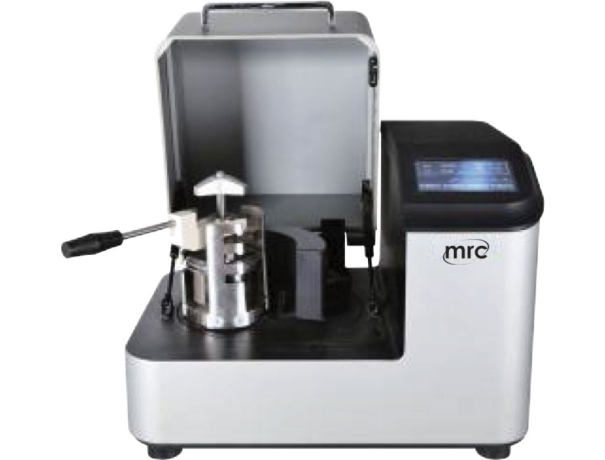
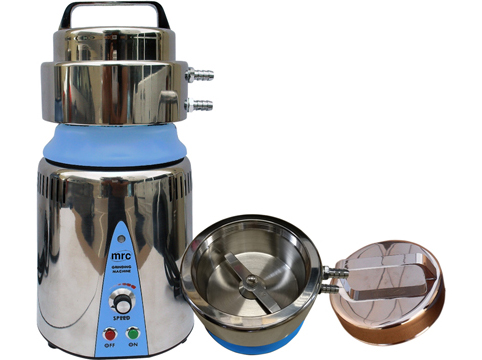
A laboratory mill is a piece of equipment designed to grind or pulverize materials into fine particles for analysis, testing, or experimentation. Laboratory mills are commonly used in industries like pharmaceuticals, food, agriculture, and materials science for quality control and research purposes.
2. What are the common types of laboratory mills?
There are several types of Laboratory Mills, including:
- Ball Mills: Use grinding media to reduce material size through impact and friction.
- Hammer Mills: Use hammers to crush or shatter materials.
- Disc Mills: Utilize a pair of grinding discs to shear materials.
- Cutting Mills: Employ rotating knives to cut materials into smaller pieces.
- Bead Mills: Designed for wet grinding of small particles in liquids.
- Jet Mills: Use high-speed jets of compressed air or gas to grind materials.
3. What are the key features to consider when choosing a laboratory mill?
- Material Compatibility: Ensure the mill can handle the type of material you intend to process.
- Particle Size: Check the mill’s ability to achieve the desired particle size.
- Capacity: Consider the volume of material the mill can process in one cycle.
- Speed and Efficiency: Evaluate the grinding speed and energy efficiency.
- Ease of Cleaning: Opt for a mill that is easy to clean, especially for multi-material use.
- Safety Features: Ensure the mill has safety measures to prevent accidents.
4. What materials can be processed in a laboratory mill?
They can process a wide variety of materials, including:
- Pharmaceuticals
- Food and spices
- Chemicals
- Minerals and ores
- Plastics and polymers
- Biomass and organic materials
5. How is particle size measured after milling?
After milling, particle size can be measured using techniques such as:
- Sieve Analysis: Separating particles based on size using a series of sieves.
- Laser Diffraction: Measuring particle size distribution using laser beams.
- Dynamic Light Scattering (DLS): Used for nanoscale particle size analysis.
- Microscopy: Directly observing and measuring particles under a microscope.
6. What safety precautions should be followed when using a laboratory mill?
To ensure safe operation:
- Wear appropriate personal protective equipment (PPE), including gloves, goggles, and lab coats.
- Follow the manufacturer’s instructions and guidelines.
- Ensure the mill is properly grounded to prevent electrical hazards.
- Avoid overloading the mill.
- Regularly inspect and maintain the equipment.
- Use proper ventilation to avoid inhaling fine particles.
7. What are the applications of laboratory mills?
Used in various fields, including:
- Pharmaceuticals: Grinding active ingredients for drug formulation.
- Food Science: Analyzing texture and consistency of food products.
- Agriculture: Testing soil, grains, and other agricultural samples.
- Materials Science: Preparing samples for structural analysis.
- Environmental Studies: Analyzing pollutants or testing biomass.
8. How do laboratory mills differ from industrial mills?
Laboratory mills are designed for small-scale applications, focusing on precision and repeatability for research and quality control. Industrial mills, on the other hand, are built for large-scale production with higher capacity and throughput. Laboratory mills typically prioritize flexibility, whereas industrial mills emphasize efficiency and volume.
9. What maintenance is required for a laboratory mill?
Proper maintenance includes:
- Regular cleaning to prevent contamination.
- Lubricating moving parts as recommended by the manufacturer.
- Checking and replacing worn-out components, such as blades or grinding media.
- Calibrating the mill to ensure consistent performance.
- Keeping detailed maintenance records.
10. What advancements are being made in laboratory milling technology?
Recent advancements include:
- Automation: Integration of automated controls for precision and ease of use.
- Nanotechnology: Development of mills capable of producing nanoscale particles.
- Energy Efficiency: Improved designs to reduce energy consumption.
- Smart Technology: Incorporation of sensors for real-time monitoring and diagnostics.
11. Can laboratory mills be used for wet and dry grinding?
Yes, many laboratory mills are versatile and can handle both wet and dry grinding. However, it is essential to check the specifications of the mill to ensure it is suitable for your specific application.
12.How is particle size measured in laboratory mills?
Particle size is typically measured using sieves, laser diffraction, or dynamic light scattering techniques. These methods provide an accurate distribution of particle sizes after milling
13.What safety precautions are necessary when operating a laboratory mill?
To ensure safety:
- Wear appropriate personal protective equipment (PPE), including goggles and gloves.
- Ensure the mill is placed on a stable surface.
- Avoid overloading the mill.
- Follow the manufacturer’s operational guidelines.
- Keep the area clear of flammable materials if working with high-speed mills.
14.What is the role of grinding media in laboratory mills?
Grinding media (e.g., balls, beads) are used to apply mechanical force to the material being milled. They facilitate the size reduction process through impact and attrition.
15.How do environmental conditions affect milling?
Environmental factors such as humidity and temperature can influence the milling process. For example:
- High humidity may cause clogging or material sticking.
- Elevated temperatures can alter material properties, especially for heat-sensitive samples.