Laboratory balances are essential tools in any scientific setting, ensuring that measurements are accurate and reliable.
First of all, what should we know about Laboratory Balances?
A laboratory balance is a type of scale that measures the mass of an object with high precision. Unlike typical household scales, laboratory balances are designed for scientific use, where accuracy is paramount. They are used in various industries, including chemistry, biology, pharmaceuticals, and material science, to measure small masses with a high degree of precision.
A laboratory balance typically consists of a weighing pan, a digital or analog display, and internal calibration mechanisms. Some advanced models may also include features like wind shields, which prevent air currents from affecting measurements, and anti-vibration tables to ensure stability.
Kinds of Laboratory Balances
Analytical Balances
Features and Benefits
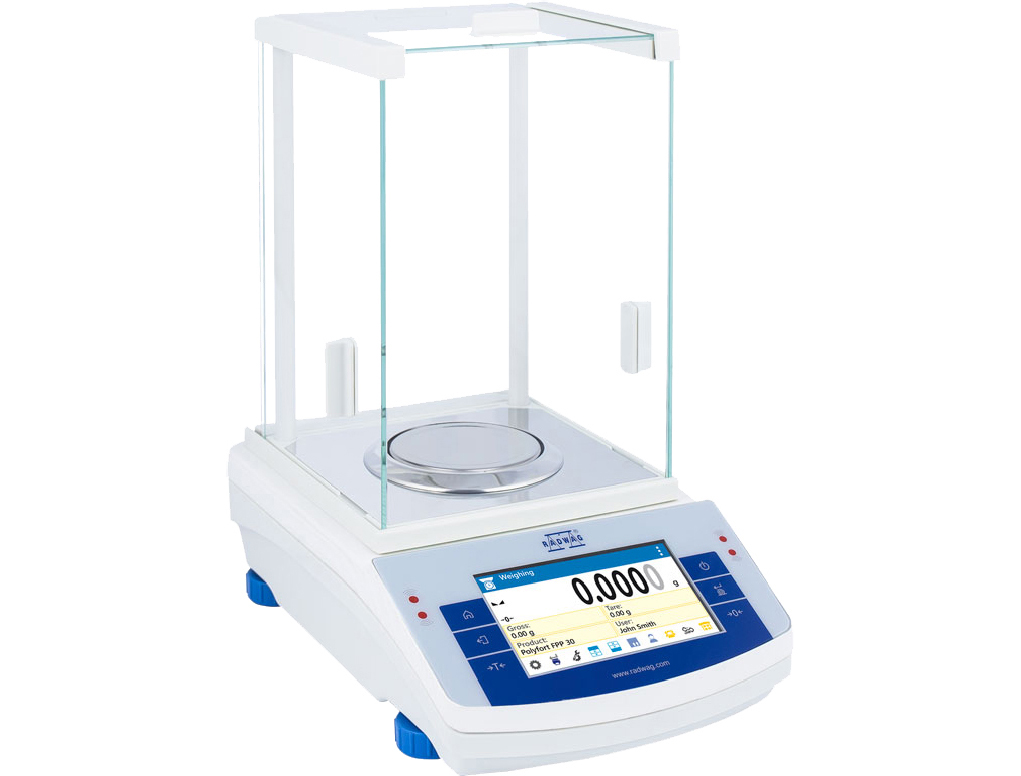
Analytical balances are highly sensitive instruments designed to measure small masses to a high degree of accuracy, typically up to 0.0001 grams. They are often used in environments where precise measurements are crucial, such as in pharmaceuticals or chemical analysis.
Common Applications
These balances are ideal for tasks like preparing solutions, determining densities, and conducting quantitative analysis in a laboratory setting.
Precision Balances
Features and Benefits
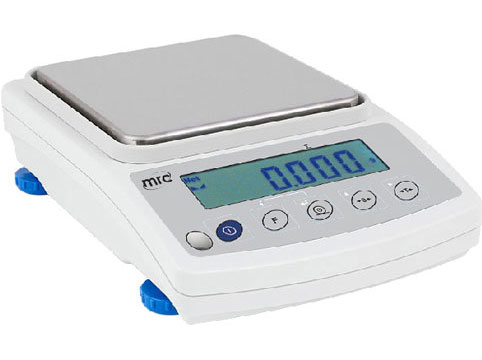
Precision balances offer slightly less accuracy than analytical balances but are still highly accurate, typically to 0.01 grams. They are suitable for routine measurements in a laboratory where extreme precision is not required.
Common Applications
Precision balances are commonly used in quality control, food testing, and industrial settings where accuracy is important but does not need to be as fine as in analytical measurements.
MicroBalances
Features and Benefits
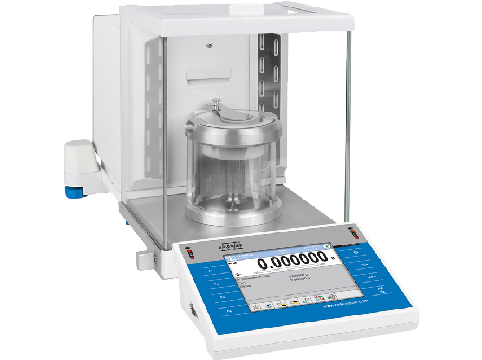
Micro balances are designed to measure ultra-small weights, often down to the microgram level. They are extremely sensitive and are used in specialized applications.
Common Applications
These balances are typically found in research and development laboratories, particularly in fields like nanotechnology, where minute mass differences are significant.
Semi-Micro Balances
Features and Benefits
Semi-micro balances bridge the gap between micro and analytical balances, offering precision up to 0.001 grams. They are ideal for users who need more accuracy than a standard analytical balance can provide.
Common Applications
Semi-micro balances are used in fields such as environmental analysis and chemical research, where precise measurements of small samples are necessary.
Top-Loading Balances
Features and Benefits
Top-loading balances are user-friendly and typically less precise than analytical or precision balances. They are robust and suitable for general laboratory use, where extreme precision is not required.
Common Applications
These balances are ideal for weighing reagents, bulk samples, or for use in educational settings where ease of use is more important than high precision.
Important points in choosing balances for the laboratory
Understanding Your Needs
Before selecting a laboratory balance, it's essential to understand the specific requirements of your work. Are you measuring small, precise samples, or do you need to weigh larger, less delicate materials? The type of balance you choose should align with your needs.
Key Factors to Consider
Accuracy and Precision
Accuracy refers to how close a measurement is to the true value, while precision refers to the consistency of repeated measurements. Depending on your needs, you may prioritize one over the other.
Capacity
The capacity of a balance refers to the maximum weight it can measure. Ensure that the balance you choose can handle the maximum weight you expect to measure.
Readability
Readability is the smallest difference in mass that the balance can detect. Higher readability means greater sensitivity, which is crucial for measuring small samples.
Calibration Options
Calibration ensures that your balance provides accurate readings. Some balances offer automatic calibration, while others require manual calibration using external weights.
Practices for Using Laboratory Balances
Proper Calibration Techniques
Calibrating your balance regularly is crucial for maintaining accuracy. Always follow the manufacturer’s instructions for calibration, and consider using certified calibration weights.
Routine Maintenance and Care
Routine maintenance, such as cleaning the weighing pan and ensuring that the balance is kept in a stable environment, can prolong its life and maintain its accuracy.
Environmental Considerations
Environmental factors like temperature, humidity, and air currents can affect the accuracy of your balance. It’s important to place your balance in a controlled environment to minimize these effects.
Common Mistakes to Avoid
Avoid common mistakes such as overloading the balance, neglecting calibration, or using the balance in an unstable environment. These errors can lead to inaccurate measurements and damage the equipment.
Calibration and Maintenance of Laboratory Balances
Why Calibration Is Essential
Calibration is essential to ensure that your balance provides accurate measurements. Over time, even the best balances can drift, leading to inaccuracies that can compromise your results.
How Often Should You Calibrate?
The frequency of calibration depends on how often you use the balance and the precision required. High-precision balances may need daily calibration, while others may only require calibration weekly or monthly.
DIY Calibration vs. Professional Services
While some users may prefer to calibrate their balances themselves, professional calibration services can provide a higher level of accuracy, especially for high-precision balances.