Concrete is one of the most widely used construction materials in the world due to its durability, strength, and versatility. However, ensuring the quality and efficiency of concrete is a critical concern in the construction industry. One of the key factors that affect the quality and strength of concrete is its curing temperature. In this article, we will discuss concrete temperature and maturity sensors, their importance, and how they can help improve the quality and efficiency of concrete construction projects.In the construction industry, the quality and strength of concrete are crucial factors in ensuring the longevity and safety of buildings, bridges, roads, and other infrastructure projects. The curing temperature of concrete is a significant parameter that impacts its strength and durability. Proper temperature control during the curing process can help achieve the desired concrete strength and minimize the risk of cracking, shrinking, or damage.To ensure accurate temperature control and monitoring during concrete curing, construction professionals use concrete temperature and maturity sensors. These sensors provide real-time data on the concrete's temperature and maturity, enabling the construction team to make informed decisions regarding the curing process and ensure that the concrete reaches its optimum strength.
What are Concrete Temperature and Maturity Sensors?
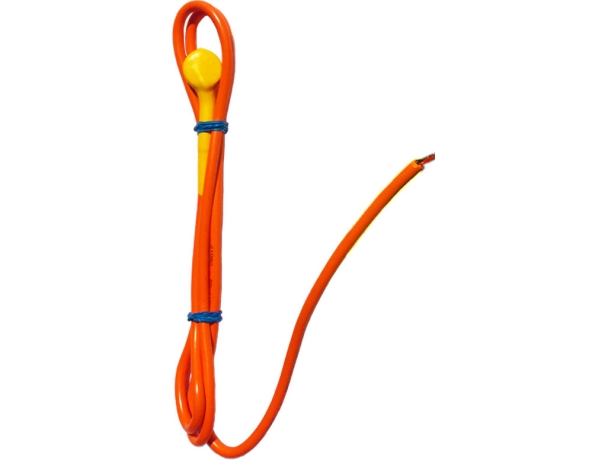
Concrete temperature and maturity sensors are devices that measure the temperature and maturity of concrete during the curing process. Temperature sensors are used to monitor the temperature of the concrete at various depths and locations, while maturity sensors measure the strength of the concrete over time.
Concrete maturity is a measure of its strength development based on its temperature history. As concrete cures, its strength increases with time and temperature. The maturity of concrete can be estimated by measuring the temperature and time of the curing process and using maturity curves specific to the type of concrete mix used.
How Do Concrete Temperature and Maturity Sensors Work?
Concrete temperature sensors are typically placed inside the concrete formwork at various depths to monitor the temperature of the concrete throughout the curing process. These sensors are connected to a data logger that records and stores the temperature data.
Maturity sensors, on the other hand, are embedded in the concrete mix during pouring. These sensors continuously measure the strength of the concrete by monitoring the changes in the electrical properties of the mix. The maturity data is then transmitted to a data logger, where it is analyzed using maturity curves to estimate the concrete's strength.
Benefits of Using Concrete Temperature and Maturity Sensors
There are several benefits to construction projects, including improved quality control, enhanced efficiency and cost savings, faster project completion, and better concrete strength and durability.
Improved Quality Control
Concrete temperature and maturity sensors enable construction professionals to monitor the curing process in real-time, ensuring that the concrete reaches its optimum strength. This helps prevent issues such as cracking, shrinking, or damage and ensures that the concrete meets the desired quality standards.
Enhanced Efficiency and Cost Savings
By providing real-time data on the concrete's temperature and maturity, construction professionals can optimize the curing process, reducing the time and resources required to achieve the desired strength. This can lead to cost savings and improved efficiency in concrete construction projects.
Faster Project Completion
it can help accelerate the project completion time by providing accurate data on the curing process and enabling the construction team to make informed decisions on when the concrete is ready for the next stage of construction.
Better Concrete Strength and Durability
it can help ensure that the concrete reaches its optimal strength, resulting in a more durable and long-lasting structure. By monitoring the curing process and optimizing the concrete's strength development, the risk of structural issues, such as cracking or failure, is minimized.
Applications of Concrete Temperature and Maturity Sensors
Concrete temperature and maturity sensors are used in a wide range of construction projects, from infrastructure projects such as bridges and highways to residential and commercial buildings.
Infrastructure Projects
Concrete temperature and maturity sensors are particularly critical in infrastructure projects such as bridges, dams, and highways, where the structural integrity and safety of the project are paramount. These sensors help ensure that the concrete reaches its optimum strength, reducing the risk of structural issues and ensuring the longevity and safety of the project.
Residential and Commercial Construction
Used in residential and commercial construction projects, where the quality and durability of the building are important factors. These sensors help ensure that the concrete meets the desired strength and quality standards, minimizing the risk of issues such as cracking or damage.
Challenges in Using Concrete Temperature and Maturity Sensors
While the use of concrete temperature and maturity sensors provides several benefits to construction projects, there are also challenges associated with their use.
Data Interpretation and Analysis
Concrete temperature and maturity sensors generate a large amount of data that requires careful interpretation and analysis. Construction professionals need to have the knowledge and expertise to understand and analyze the data to make informed decisions about the curing process.
Equipment Maintenance and Calibration
Concrete temperature and maturity sensors require regular maintenance and calibration to ensure accurate and reliable data. Construction professionals need to have the necessary resources and expertise to maintain and calibrate the sensors regularly.