Thermal imagers are versatile and useful tools that are used in a variety of industries to detect temperature differences and provide images of invisible infrared light. They are used to detect heat sources and can provide valuable information about the temperature of objects, structures, and environments. Thermal imagers have become increasingly popular in recent years due to their numerous benefits and versatility.
Understanding How Thermal Imagers Work
Thermal imagers are designed to detect infrared radiation, which is emitted by all objects with a temperature above absolute zero. By capturing this radiation, thermal imagers can produce images of temperature distributions and provide a clear representation of the temperature of objects, structures, and environments. This allows users to quickly and accurately identify hot spots, leaks, and other potential hazards.
Advantages of Using Thermal Imagers
1. Improved Safety: Thermal imagers can be used to detect hot spots in electrical panels and equipment, which can help to prevent fires and other safety hazards. They can also be used to identify gas leaks, which can help to reduce the risk of explosions and other safety incidents.
2. Increased Efficiency: this can help to increase efficiency in the workplace by quickly and accurately detecting temperature differences. This can help to reduce downtime and increase productivity, as users can quickly identify and resolve any temperature-related issues.
3. Cost Savings: can help to reduce costs by identifying energy losses and other inefficiencies. By detecting temperature differences and hot spots, users can quickly identify areas where energy is being lost and take steps to reduce these losses.
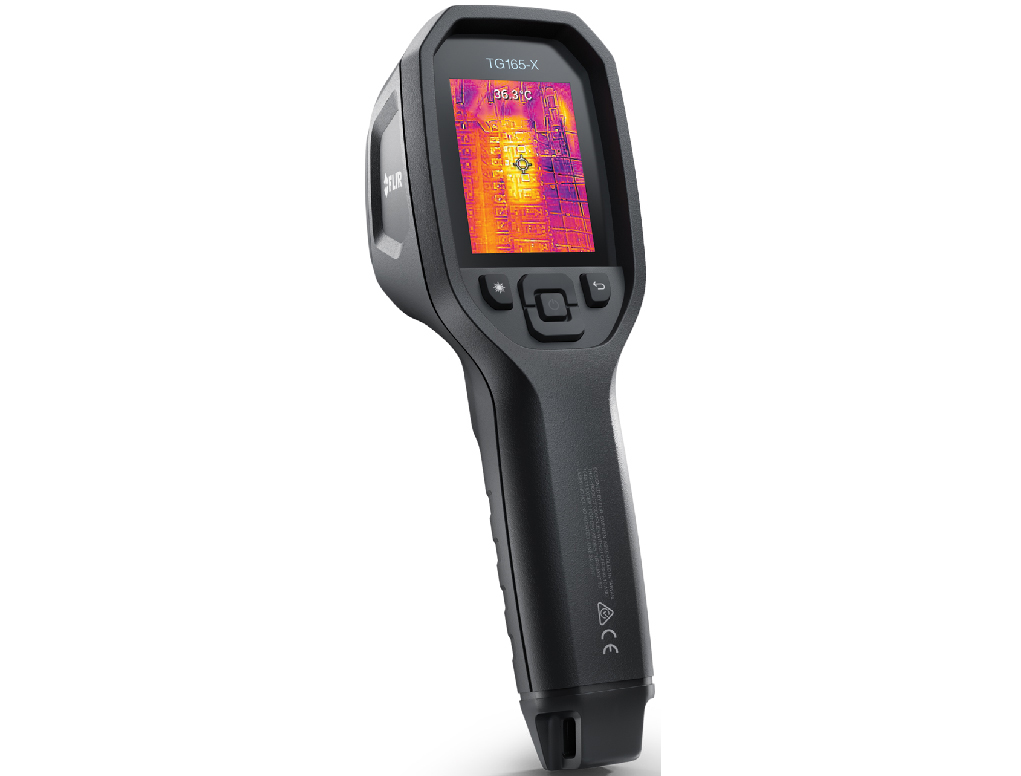
Applications of Thermal Imagers
1. Building Inspection: Thermal imagers are commonly used in building inspection to detect heat losses and identify air leaks in walls, roofs, and other areas. This can help to reduce energy costs and improve building efficiency.
2. Electrical Inspection: It is also used in electrical inspection to detect hot spots in electrical panels and equipment. This can help to prevent fires and other safety hazards.
3. Industrial Maintenance: It is commonly used in industrial maintenance to detect temperature differences in equipment and identify any potential issues. This can help to reduce downtime and increase productivity.
4. Animal Health-mainly on pets-to find when they are sick.
5. Security and Military
Choosing the Right Thermal Imager for Your Needs
When choosing a thermal imager, it is important to consider a number of factors, including the intended use, the environment in which it will be used, and the type of imaging technology used.
Types of Thermal Imaging Technology
1. Infrared: Infrared thermal imagers are the most common type. They work by detecting infrared radiation and producing images of temperature distributions.
2. Microbolometer: Microbolometer thermal imagers use a type of sensing technology that detects temperature differences by measuring changes in resistance.
3. Fusion: Fusion thermal imagers combine both infrared and visible light images to provide a more detailed view of the environment.
Features to Consider
1. Resolution: The resolution of a thermal imager refers to the number of pixels used to produce the image. The higher the resolution, the clearer the image will be.
2. Detection Range: The detection range refers to the maximum distance at which it can detect temperature differences. When choosing a thermal imager, it is important to consider the detection range needed for your specific use.
3. Display: The display can affect the overall usability and functionality of the device. Consider factors such as screen size, color display, and screen resolution when choosing a thermal imager.
4. Battery Life: Battery life is an important factor to consider. Consider the length of time the device will be in use and the availability of replacement batteries when choosing a thermal imager.
The Advantages of Using Thermal Imagers in Industrial Applications
6. Thermal imagers have become increasingly popular in a variety of industrial applications, offering a number of advantages over traditional inspection methods.
7. Sub Heading: Improved Safety
8. One of the biggest advantages of thermal imaging is that it can help to improve safety in industrial settings. By detecting hot spots and potential hazards before they become a problem, it is can help to prevent accidents and equipment failure.
9. Sub Heading: Increased Efficiency
10. Thermal imaging can also help to increase efficiency in industrial applications by detecting problems early and allowing for quick, proactive maintenance. This can help to minimize downtime and increase productivity.
11. Sub Heading: Enhanced Detection
12. Thermal imagers can detect temperature differences that are not visible to the naked eye, making them ideal for a range of industrial applications. This enhanced detection capability can help to identify problems that may not be easily visible with other inspection methods.