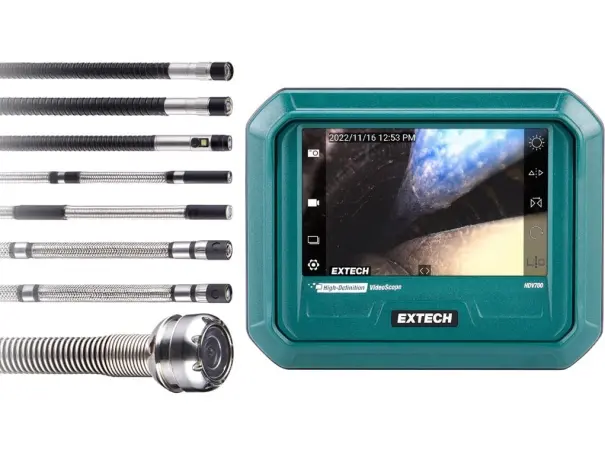
A borescope is like a tiny, flexible telescope with a camera at the tip. It’s used to visually inspect hard-to-reach spaces like engine cylinders, industrial pipes, or even inside walls—without the need to disassemble anything.
Applications Across Industries
From aviation and automotive to HVAC, manufacturing, and plumbing, borescopes are vital tools for non-destructive testing and inspection. They save time, money, and often catch issues before they become critical.
Importance of Correct Borescope Usage
Preventing Costly Damage
Improper handling or misuse can damage the borescope—or worse, the equipment you’re inspecting. Knowing how to use it properly saves thousands in repairs.
Ensuring Accurate Diagnostics
Even the best equipment won’t give you accurate results if used incorrectly. Misinterpretations can lead to wrong decisions or overlooked damage.
Most Common User Errors
Using the Wrong Type of Borescope
Rigid when it should’ve been flexible? Too short for the task? Choosing the wrong Videoscope for a job is a rookie mistake that causes frustration and incomplete inspections.
Inadequate Lighting Settings
Too much light, and you get glare. Too little, and it’s all shadows. Getting lighting right is essential for capturing useful visuals.
Mishandling the Probe
Borescope probes are delicate. Forceful insertion, twisting, or using it as a "tool" to move objects can cause expensive damage.
Skipping Pre-Inspection Checks
Failing to check if the battery is charged, the camera is clean, or the device is working can waste valuable time on-site.
Equipment-Related Faults
Lens Fogging or Dirt
Dirty or fogged lenses are the equivalent of wearing smudged glasses—useless visuals that lead to poor decision-making.
Damaged Insertion Tube
Overuse or improper storage can cause cracks, stiffness, or leaks in the insertion tube—seriously limiting maneuverability.
Power Supply or Battery Issues
Running out of battery mid-inspection? A dead battery not only interrupts work but may lose unsaved images or videos.
Software Connectivity Failures
If you're using a high resolution borescope with a digital monitor or mobile app, software bugs or poor syncing can break your workflow entirely.
Operational Mistakes
Over-Bending the Insertion Tube
Yes, it's flexible—but not infinitely. Bending beyond its range weakens the tube and leads to failure over time.
Poor Image Capturing Techniques
Moving too fast, shaky hands, or not focusing properly can result in blurry or useless images.
Improper Storage After Use
Storing it while still wet or coiling it too tightly can shorten the device’s lifespan.
Not Recording or Saving Inspection Footage
You’ll want documentation later. If you don’t hit “record,” all that inspection effort could be lost.
Training and Skill Gaps
Lack of User Training
Just because it’s easy to operate doesn’t mean people know how to use it correctly. Many errors stem from simply not being trained.
Misinterpreting the Visual Data
Seeing corrosion? Or just discoloration? Without experience, users may misdiagnose issues, leading to the wrong repair decisions.
Neglecting Manufacturer Guidelines
Every model is different. Ignoring the user manual is a shortcut to long-term trouble.