An analytical balance is a lab superhero when it comes to weighing small amounts of substances—think milligrams with mind-blowing precision. It’s a cornerstone of any serious lab work, especially when even the tiniest measurement slip can ruin the result.
Why Accuracy Matters in Labs
Imagine baking a cake with way too much salt—disaster, right? Now, translate that to chemistry or pharmaceuticals where miscalculations aren’t just bad—they can be dangerous. That's why balance accuracy isn’t a luxury—it’s non-negotiable.
User-Related Mistakes
Not Calibrating the Balance Properly
Skipping calibration is like driving a car with a misaligned steering wheel. You might still get somewhere, but not where you meant to go. Always calibrate your balance using certified weights before use.
Ignoring Environmental Conditions
If you’re weighing samples next to an open window or a running fan, you're just begging for inconsistent readings.
Analytical balances are delicate instruments—treat them like royalty.
Mishandling Samples or Containers
Touching containers with bare hands transfers oils and heat, both of which skew results. Use forceps or gloves. Always.
Environmental Factors That Affect Readings
Air Drafts and Vibrations
Even the tiniest breeze or a shaky table can cause havoc with readings. Place your Laboratory balances on an anti-vibration table in a draft-free enclosure.
Temperature Fluctuations
Moving your laboratory analytical balance from one room to another? Let it acclimate for at least an hour. Sudden temperature changes cause material expansion, leading to false readings.
Humidity and Static Electricity
High humidity causes materials to absorb moisture; low humidity invites static cling. Either way—bad news for accuracy. Anti-static devices and dehumidifiers can help stabilize conditions.
Equipment Misuse and Maintenance Errors
Using Dirty or Damaged Equipment
Dirt, dust, and chemical residues can accumulate and affect measurements. Clean your balance daily. And don’t ignore cracked containers—they leak error into your results.
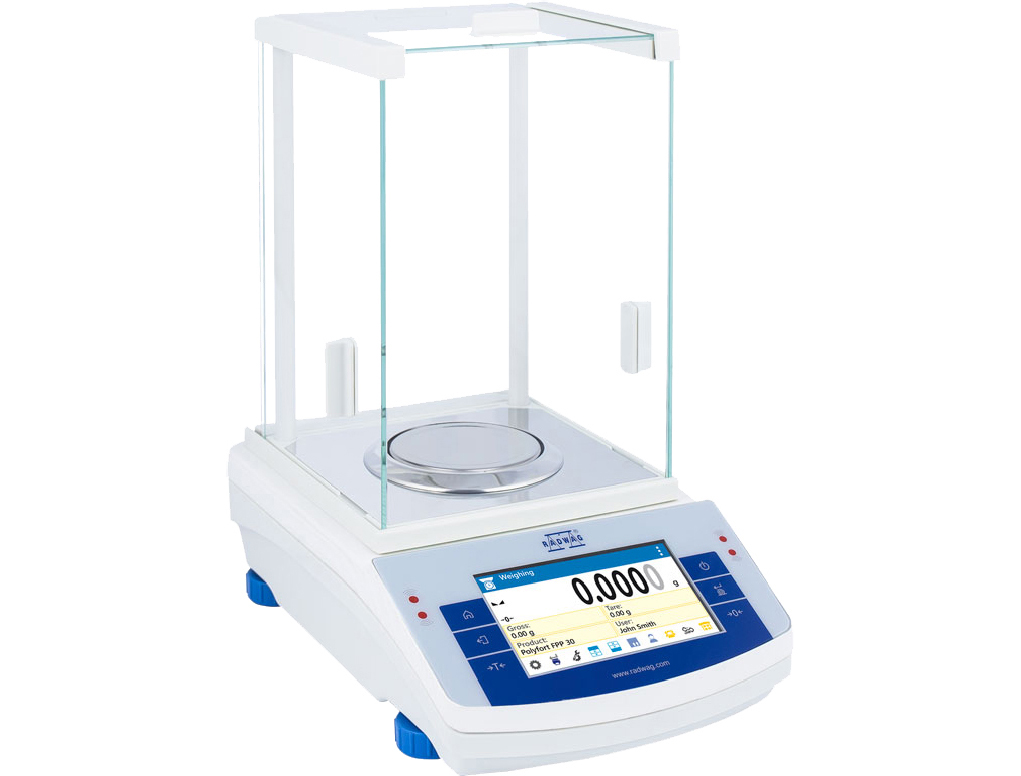
Overloading the Balance
Going over the max capacity? You risk permanently damaging the internal mechanisms. Always double-check the load capacity before placing items on the pan.
Infrequent or Incorrect Maintenance
Think of your balance like a luxury car—it needs regular servicing. If you’re not maintaining it as per manufacturer guidelines, don’t expect it to perform perfectly.
Common Misreadings and Their Causes
Drifting Display Values
Is the reading slowly creeping up or down? That’s called drift. It can be caused by environmental instability, electromagnetic interference, or just a not-so-happy balance.
Repeated Weighing Inconsistencies
Inconsistent results during repeat weighings are often the result of poor technique, like failing to close the balance doors or rushing the weighing process.
Proper Usage Tips to Avoid Errors
Importance of Taring
Always zero your balance before placing the container or substance. Forgetting this step is like starting a stopwatch halfway into a race—completely pointless.
Handling Samples with Tools, Not Hands
Tongs, tweezers, spatulas—use them. Your fingers add mass and mess.
Letting Equipment Stabilize
After turning on the balance, give it time to stabilize. Rushing the process just ensures bad data.
Choosing the Right Balance for the Job
Analytical vs. Precision Balance
Need sub-milligram accuracy? Go analytical. Just looking for gram-level precision? A precision balance will do. Don’t overbuy or underperform—match the tool to the task.
Reading Capacity vs. Readability
A common rookie mistake is confusing these. Capacity is the max weight. Readability is the smallest increment it can display. Both matter.
Training and User Competency
Why Staff Training Is Crucial
Even the best equipment can’t make up for user ignorance. Proper training prevents most of the errors we've discussed.
Common Training Gaps
Many labs skip thorough balance training. Teach people how to calibrate, handle, clean, and interpret results correctly—and watch your error rate plummet.