Are you new to the field of cell culture? Are you looking for guidance on selecting the right equipment for your laboratory? If so, you have come to the right place. In this article, we will provide you with a comprehensive guide on cell culture equipment. We will cover everything from the basics of cell culture to the advanced equipment needed for large-scale production.
What is Cell culture?
Cell culture is the process of growing cells in a controlled environment outside of their natural habitat. It is an important tool in many areas of research, including cell biology, genetics, and drug development. To perform cell culture, you need specialized equipment that provides a sterile, controlled environment for the cells to grow.
Basic Laboratory Equipment
Tissue culture plates
Tissue culture plates, also known as cell culture plates, are flat-bottomed plastic dishes that are used to culture cells. They come in various sizes and configurations, including 6-well, 12-well, and 96-well plates.
Cell culture media
Cell culture media is a nutrient-rich liquid that provides the necessary nutrients and growth factors for cells to grow in culture. It is important to choose the right media for your specific cell type.
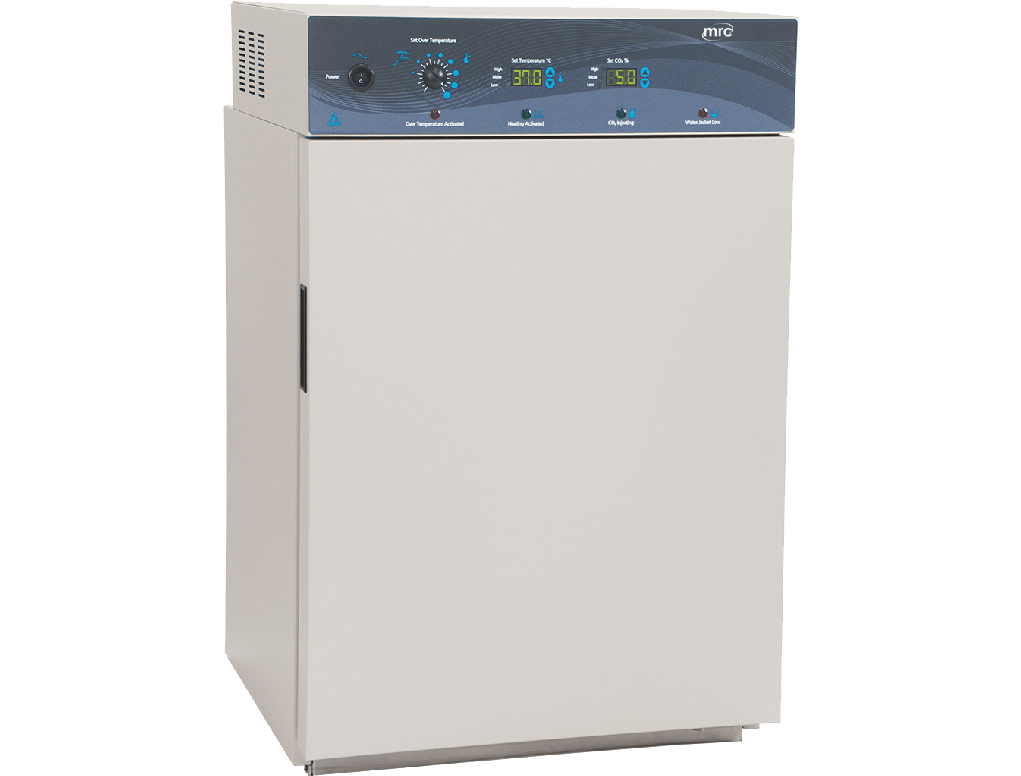
CO2 incubators provide a controlled environment for cell culture by regulating temperature, humidity, and CO2 levels. They are essential for maintaining a sterile, consistent environment for cell growth.
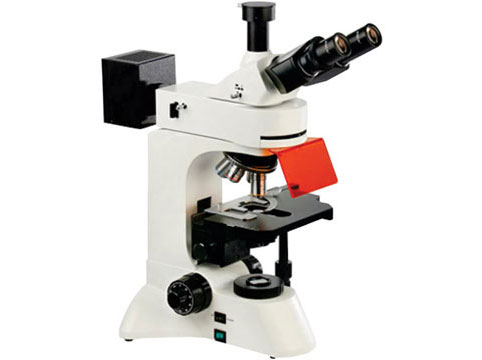
Microscopes are used to visualize cells in culture and monitor their growth and morphology. They come in various types, including brightfield, phase contrast, and fluorescence microscopes.
Advanced laboratory Equipment
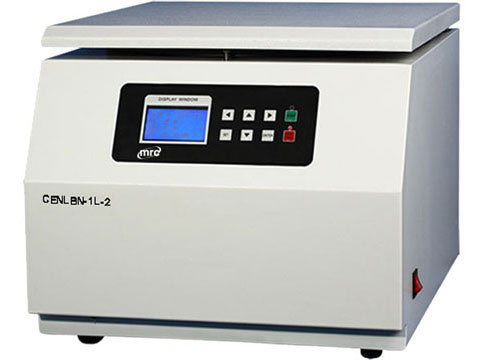
Centrifuges
Centrifuges are used to separate cells or cell components based on their size, shape, or density. They are essential for many cell culture applications, including cell harvesting and purification.
Flow cytometers
Flow cytometers are used to analyze and sort cells based on their physical and chemical properties. They are commonly used for cell characterization and identification.
Pipettes and Pipette
Pipettes and pipette are used for accurately measuring and dispensing small volumes of liquid, such as cell culture media, reagents, and samples.
The importance of equipment quality
The quality of cell culture equipment is essential for ensuring the accuracy and reproducibility of experimental results. Inferior equipment can lead to inconsistent results, contamination, and even failure of experiments.
For example, the use of low-quality tissue culture plates can lead to uneven cell growth, which can affect the results of assays such as cell viability and proliferation. Similarly, the use of low-quality cell culture media can result in inconsistent nutrient supply, pH imbalances, and other factors that can compromise cell growth and viability.
CO2 incubators with poor temperature and humidity control can also affect cell growth and viability. Inadequate oxygen control can lead to oxidative stress, while high humidity can promote bacterial and fungal growth, leading to contamination.
Moreover, the use of low-quality microscopes can compromise the accuracy of cell imaging and characterization. Poor resolution, contrast, and illumination can make it difficult to identify and differentiate cells, affecting downstream applications such as flow cytometry and cell sorting.
The importance of equipment quality is even more critical for large-scale cell culture applications, such as tissue engineering and cell-based therapies. In these applications, the quality and consistency of the cells produced are essential for ensuring the safety and efficacy of the final products.
Therefore, it is crucial to invest in high-quality cell culture equipment to ensure the accuracy, reliability, and reproducibility of experimental results. This includes selecting equipment from reputable manufacturers, ensuring proper maintenance and calibration, and regularly monitoring and validating equipment performance.