BIOCHEMICAL OXYGEN DEMAND measures the amount of dissolved oxygen needed by aerobic biological organisms to break down organic material present in a given water sample at a certain temperature over a specific time period. It is expressed in milligrams of oxygen consumed per liter of sample over five days (mg/L).
The Science Behind BIOCHEMICAL OXYGEN DEMAND
Biological Processes Involved
BIOCHEMICAL OXYGEN DEMAND primarily involves aerobic bacteria that consume organic matter and oxygen in water. These microorganisms metabolize organic compounds, producing carbon dioxide, water, and energy in the process.
Chemical Reactions and Oxygen Consumption
The biochemical reactions can be summarized by the equation: Organic matter+O2→CO2+H2O\text{Organic matter} + \text{O}_2 \rightarrow \text{CO}_2 + \text{H}_2\text{O}Organic matter+O2→CO2+H2O
As bacteria decompose organic materials, they use up dissolved oxygen, which is crucial for maintaining aquatic life.
Methods of Measuring BIOCHEMICAL OXYGEN DEMAND
Standard Methods and Protocols
Traditional BIOCHEMICAL OXYGEN DEMAND measurement involves incubating a sealed water sample for five days at 20°C and measuring the oxygen concentration before and after the incubation period. The difference in oxygen levels indicates the BIOCHEMICAL OXYGEN DEMAND.
Modern Techniques and Equipment
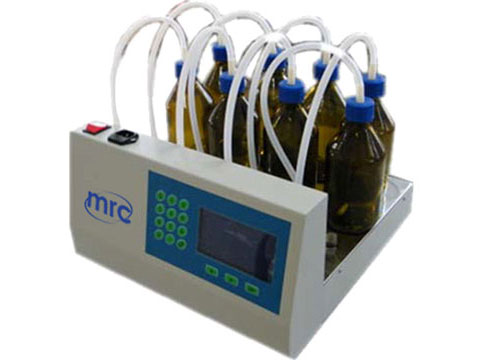
Advancements in technology have introduced automated BIOCHEMICAL OXYGEN DEMAND analyzers and more precise sensors, allowing for continuous monitoring and quicker results.
Factors Affecting BIOCHEMICAL OXYGEN DEMAND Levels
Temperature
Higher temperatures can increase the rate of bacterial metabolism, leading to higher BIOCHEMICAL OXYGEN DEMAND levels. Conversely, lower temperatures can slow down the process.
pH Levels
Extreme pH levels can inhibit bacterial activity, affecting BIOCHEMICAL OXYGEN DEMAND readings. Optimal pH for BIOCHEMICAL OXYGEN DEMAND measurement is typically around neutral (pH 7).
Organic Matter Concentration
The amount and type of organic matter in the water directly influence BIOCHEMICAL OXYGEN DEMAND. Higher concentrations of biodegradable material result in higher BIOCHEMICAL OXYGEN DEMAND levels.
Significance of BIOCHEMICAL OXYGEN DEMAND in Water Quality
Indicator of Pollution
High BOD levels often indicate significant organic pollution, which can stem from sources like sewage, agricultural runoff, and industrial effluents.
Impact on Aquatic Life
Elevated BIOCHEMICAL OXYGEN DEMAND can deplete oxygen in water Biochemical Oxygen Demandies, leading to hypoxic conditions harmful to fish and other aquatic organisms.
Applications of BIOCHEMICAL OXYGEN DEMAND Measurement
Wastewater Treatment
BIOCHEMICAL OXYGEN DEMAND is crucial for designing and operating wastewater treatment plants. It helps in determining the efficiency of treatment processes and the need for further purification.
Environmental Monitoring
Regular BIOCHEMICAL OXYGEN DEMAND assessments help track the health of natural water Biochemical Oxygen Demandies and identify pollution sources.
Industrial Applications
Industries use BOD measurements to monitor and control their effluent quality, ensuring compliance with environmental regulations.
BIOCHEMICAL OXYGEN DEMAND and Environmental Regulations
Legal Standards and Guidelines
Various environmental agencies set permissible BOD limits for effluents discharged into water Biochemical Oxygen Demandies to protect aquatic ecosystems and public health.
Role in Compliance and Enforcement
BIOCHEMICAL OXYGEN DEMAND levels are a key parameter in environmental compliance monitoring, helping authorities enforce pollution control laws.
What is a good BIOCHEMICAL OXYGEN DEMAND level for water Biochemical Oxygen Demandies?
A BOD level of less than 3 mg/L is considered good, indicating low pollution and healthy water quality.
How often should BIOCHEMICAL OXYGEN DEMAND be tested in wastewater?
BIOCHEMICAL OXYGEN DEMAND testing frequency depends on regulatory requirements and the specific wastewater treatment process, but monthly or quarterly testing is common.
Can BIOCHEMICAL OXYGEN DEMAND levels indicate the presence of specific pollutants?
While BIOCHEMICAL OXYGEN DEMAND levels indicate the overall organic pollution, they do not specify the types of pollutants present. Additional tests are needed for specific contaminants.
How does BIOCHEMICAL OXYGEN DEMAND differ from Chemical Oxygen Demand (COD)?
BIOCHEMICAL OXYGEN DEMAND measures the oxygen demand of biodegradable organic matter, while COD measures the total oxygen demand of all organic and inorganic matter in water.