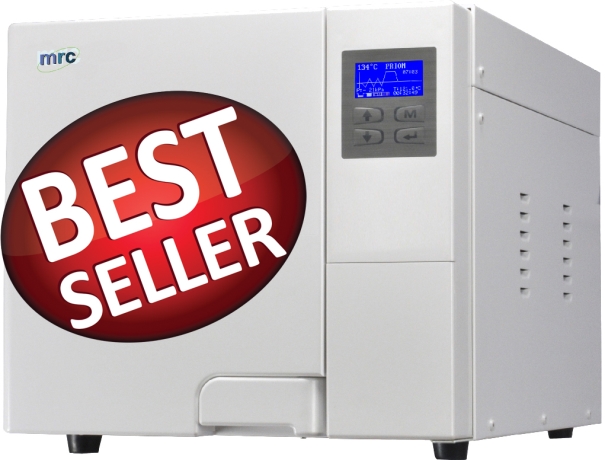
An autoclave is a device that uses high-pressure steam to sterilize medical instruments, laboratory equipment, and other items susceptible to contamination. By exposing these items to temperatures above 121°C (250°F) for a set period, autoclaves eliminate bacteria, viruses, fungi, and spores that may be present on surfaces.
Types of Autoclaves
Different types of Autoclaves are available, each suited for specific applications and clinical needs:
- Gravity Displacement Autoclaves
- Use steam to force air out of the chamber, allowing efficient sterilization.
- Common in dental and general medical clinics.
- Pre-Vacuum (Class B) Autoclaves
- Remove air before introducing steam, ensuring deep penetration into complex instruments.
- Essential for surgical and specialty clinics.
- Steam-Flush Pressure Pulse Autoclaves
- Utilize repeated steam pulses to remove air without a vacuum pump.
- Suitable for high-throughput sterilization in busy clinics.
- Portable Autoclaves
- Smaller, mobile units ideal for field clinics, small practices, and remote healthcare settings.
- Tabletop Autoclaves
- Designed for smaller spaces but offer full sterilization capabilities.
- Common in dermatology, ophthalmology, and dental clinics.
- High-Capacity Hospital-Grade Autoclaves
- Used in multi-specialty clinics requiring large-scale sterilization.
Applications in Different Types of Clinics
They are indispensable in various clinical settings, each with unique sterilization needs:
1. General Medical Clinics
- Sterilization of diagnostic tools, surgical instruments, and reusable patient-care items.
- Ensures compliance with health and safety regulations.
2. Dental Clinics
- Used for sterilizing dental handpieces, mirrors, scalers, and extraction tools.
- They are preferred due to their deep penetration into hollow instruments.
3. Surgical Clinics
- Require high-performance autoclaves to sterilize scalpels, forceps, and suturing tools.
- Pre-vacuum autoclaves ensure complete elimination of contaminants.
4. Dermatology Clinics
- Used for instruments involved in biopsies, cosmetic procedures, and skin treatments.
- Tabletop autoclaves are commonly used due to space constraints.
5. Ophthalmology Clinics
- Specialized instruments like forceps, speculums, and micro-surgical tools require precise sterilization.
- Steam sterilization is essential for preventing eye infections.
6. Veterinary Clinics
- Instruments used for animal surgeries and treatments require regular sterilization.
- Autoclaves with multiple sterilization cycles cater to diverse veterinary needs.
7. Gynecology & Obstetrics Clinics
- Speculums, biopsy forceps, and ultrasound probes are sterilized frequently.
- They are recommended for thorough sterilization.
8. Podiatry Clinics
- Sterilization of nail clippers, scalpels, and curettes used for foot care and minor surgeries.
- Compact autoclaves suit small clinic spaces.
9. Physiotherapy and Chiropractic Clinics
- While these clinics primarily focus on non-invasive treatments, any reusable equipment coming into contact with skin requires sterilization.
10. Tattoo and Aesthetic Clinics
- Need to sterilize needles, grips, and reusable tattooing equipment.
- Portable autoclaves may be used for mobility and convenience.
11. Mobile and Field Clinics
- Require lightweight and portable autoclaves due to limited space and power availability.
- Battery-powered or manually operated autoclaves are ideal.
Choosing the Right Autoclave for Your Clinic
When selecting an autoclave, consider the following factors:
- Size & Capacity
- Match the autoclave size to the volume of instruments needing sterilization.
- Sterilization Cycle Speed
- Faster cycles are beneficial for busy clinics with high patient turnover.
- Ease of Use & Maintenance
- Choose a model with user-friendly controls and straightforward maintenance requirements.
- Regulatory Compliance
- Ensure the autoclave meets national and international sterilization standards.
- Cost & Budget
- Balance upfront investment with long-term operational efficiency.
- Type of Instruments Used
- Hollow, porous, and solid instruments require different sterilization capabilities.
Maintenance & Best Practices
To ensure optimal performance, clinics should follow these maintenance and usage tips:
- Regular Cleaning: Wipe down the chamber and remove residue.
- Proper Loading: Avoid overloading to ensure even steam penetration.
- Routine Testing: Perform spore testing and Bowie-Dick tests regularly.
- Water Quality: Use distilled water to prevent mineral buildup.
- Scheduled Servicing: Follow manufacturer recommendations for professional maintenance.