Industrial autoclaves are essential tools in various industries, from healthcare to manufacturing. They ensure the sterilization of equipment and materials,And are important in maintaining safety and hygiene standards. This guide aims to provide a comprehensive overview of what to consider when purchasing an industrial autoclave.
What is an Industrial Autoclave?
An industrial autoclave is a pressure chamber used to carry out industrial processes requiring elevated temperature and pressure different from ambient air pressure. Industrial autoclaves are used in various industries, including medical, aerospace, and food production.
Key Functions and Uses
Industrial Autoclaves are primarily used for sterilization and curing. They can sterilize medical and laboratory equipment, treat composite materials, and even process waste. The versatility of autoclaves makes them indispensable in ensuring product safety and quality.
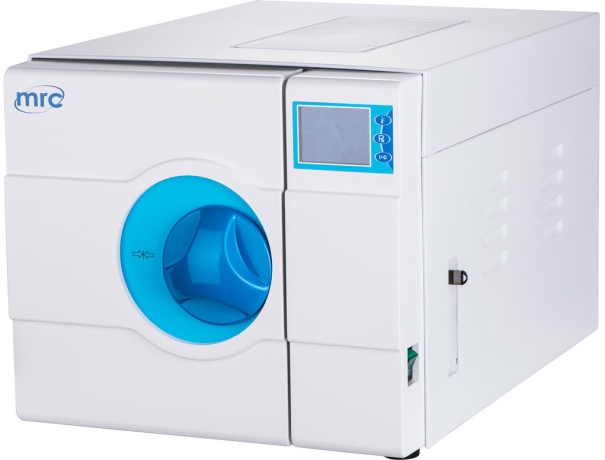
Types of Industrial Autoclaves
Steam Autoclaves
Steam autoclaves use steam under pressure to achieve sterilization. They are commonly used in medical and laboratory settings due to their effectiveness in killing bacteria, viruses, and other microorganisms.
Chemical Autoclaves
These autoclaves use chemical vapor to sterilize equipment. They are ideal for materials that might be damaged by steam or dry heat, offering a more gentle but equally effective sterilization method.
Dry Heat Autoclaves
Dry heat autoclaves use high temperatures without moisture to sterilize. They are typically used for materials that can be damaged by moisture, such as powders and oils.
Others
Other types include gas and plasma autoclaves, which use different technologies to achieve sterilization, each suitable for specific applications and materials.
Key Features to Consider
Size and Capacity
When choosing an autoclave, consider the size and capacity that will meet your needs. Larger autoclaves are suitable for high-volume operations, while smaller units may be sufficient for lower volume or specialized tasks.
Temperature Range
The temperature range of an autoclave determines what materials and processes it can handle. Ensure the autoclave you choose can reach and maintain the necessary temperatures for your specific applications.
Pressure Specifications
Pressure is a critical factor in the effectiveness of an autoclave. Check the pressure specifications to ensure the unit can achieve the necessary conditions for your sterilization or curing processes.
Control Systems
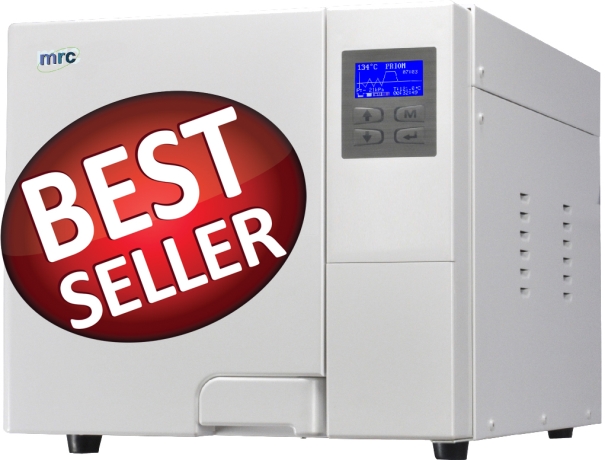
Modern autoclaves come with advanced control systems that allow for precise monitoring and control of temperature and pressure. Look for user-friendly interfaces and reliable control mechanisms.
Material and Build Quality
Importance of Durable Materials
The material and build quality of an autoclave are crucial for its longevity and performance. Industrial autoclaves must withstand high pressure and temperatures, making durable materials essential.
Common Materials Used
Common materials used in autoclaves include stainless steel and other high-strength alloys. These materials resist corrosion and wear, ensuring the autoclave's durability and reliability.
Energy Efficiency
Why Energy Efficiency Matters
Energy efficiency is important for reducing operational costs and environmental impact. Efficient autoclaves use less energy to achieve the same results, saving money and reducing carbon footprints.
Energy-Saving Features to Look For
Look for features like programmable cycles, insulation, and energy-efficient heating elements. These can significantly reduce the energy consumption of an autoclave.
Safety Features
Essential Safety Mechanisms
Safety is paramount when working with high-pressure and high-temperature equipment. Essential safety features include pressure relief valves, automatic shutoff, and safety interlocks.
Regulatory Compliance
Ensure the autoclave complies with relevant safety standards and regulations. This not only ensures safety but also simplifies compliance with industry and governmental standards.
Understanding Dental Autoclaves
What is a Dental Autoclave?
A dental autoclave is a specialized device used to sterilize dental instruments through high-pressure steam. This process eliminates bacteria, viruses, and other microorganisms, ensuring that instruments are safe for use.
Key Functions and Uses
Dental autoclaves are used to sterilize a variety of dental instruments, including handpieces, forceps, and mirrors. They play a critical role in preventing infections and maintaining a sterile environment in dental clinics.
Types of Dental Autoclaves
Class N Autoclaves
Class N autoclaves are basic models that use steam to sterilize unwrapped solid instruments. They are suitable for smaller dental practices with lower sterilization requirements.
Class B Autoclaves
Class B autoclaves are more advanced and can sterilize wrapped and hollow instruments. They are equipped with a vacuum pump that removes air from the chamber, ensuring thorough sterilization.
Class S Autoclaves
Class S autoclaves fall between Class N and Class B in terms of functionality. They can sterilize some wrapped instruments but do not have the advanced features of Class B autoclaves.
Clinic Autoclaves
A clinic autoclave is a device used to sterilize medical instruments and equipment through high-pressure steam. This process effectively eliminates bacteria, viruses, and other microorganisms, ensuring the safety of patients and healthcare professionals. Clinic autoclaves are used to sterilize a variety of medical instruments, including surgical tools, dental instruments, and laboratory equipment. They are crucial in preventing infections and maintaining sterile conditions in healthcare settings.
Tools for disinfecting dental and medical equipment in an autoclave
Autoclave Machine: This is the primary equipment used for sterilization. It uses high-pressure saturated steam to kill bacteria, viruses, fungi, and spores on medical and dental instruments.
Distilled Water: Used to generate steam in the autoclave. Tap water can contain minerals that may damage the autoclave or leave residues on instruments.
Instrument Trays and Cassettes: These hold the instruments during the sterilization process. They help organize the instruments and allow steam to penetrate all surfaces.
Sterilization Pouches and Wraps: Instruments are placed in these pouches or wraps before autoclaving. They maintain sterility after the process until the instruments are used.
Indicator Tape and Strips: These change color when exposed to the proper conditions in the autoclave, indicating that sterilization has been achieved.
Cleaning Brushes and Ultrasonic Cleaners: Used for pre-cleaning instruments to remove debris and contaminants before autoclaving.
Chemical Disinfectants: Used for initial disinfection of instruments before they are placed in the autoclave. Commonly used solutions include glutaraldehyde and hydrogen peroxide.
Autoclave Cleaner and Descaler: Regular maintenance of the autoclave requires cleaning and descaling agents to ensure efficient operation and longevity of the machine.
Personal Protective Equipment (PPE): Includes gloves, masks, and eye protection to protect staff during the handling and processing of contaminated instruments.
Sterilization Log and Record-Keeping Supplies: Keeping detailed records of sterilization cycles, including date, time, and load contents, to ensure compliance with health regulations and to trace the sterilization process if necessary.