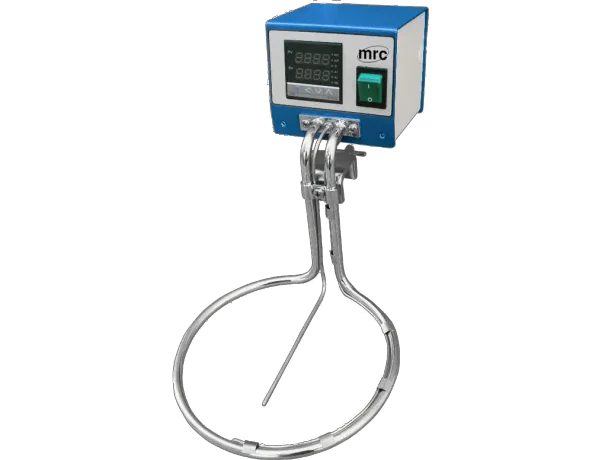
Heating is one of the most fundamental processes in any laboratory. Whether you are running a chemical reaction, incubating samples, or preparing solutions, temperature control is critical. Even a small deviation can lead to inaccurate results or failed experiments.
What Are Water Heating Elements?
Water heating elements are systems designed to heat water, which then transfers heat to samples. They are commonly used in water baths and circulators.
How They Work in Laboratory Setups
A typical water bath includes:
- A heating element
- A container filled with water
- A temperature controller
The system maintains a stable temperature, making it ideal for sensitive applications.
What Are Oil Heating Elements?
Oil heating elements operate on the same principle as water systems but use oil instead of water as the heat transfer medium.
Basic Principle
Oil can reach much higher temperatures than water without boiling. This makes it suitable for high temperature applications.
Key Differences from Water Heating
The main difference lies in temperature capability and stability. Oil systems are designed for more demanding thermal conditions.
Water vs Oil Heating Elements
Choosing between water and oil heating is not always straightforward. Each has its strengths.
Temperature Range Comparison
- Water heating: typically up to 100 degrees Celsius
- Oil heating: can exceed 200 degrees Celsius
Stability and Uniformity
Water provides excellent uniform heating at lower temperatures. Oil offers stable heating at higher ranges.
Safety Considerations
Water is safer and easier to handle. Oil requires careful management due to potential fire risks.
Key Components of Heating Systems
Understanding the main components helps you choose the right system.
Heating Coils
These generate heat and are usually made of metal alloys resistant to corrosion.
Temperature Sensors
Sensors monitor the temperature and send data to the controller.
Controllers
Modern systems use digital controllers to maintain precise temperatures.