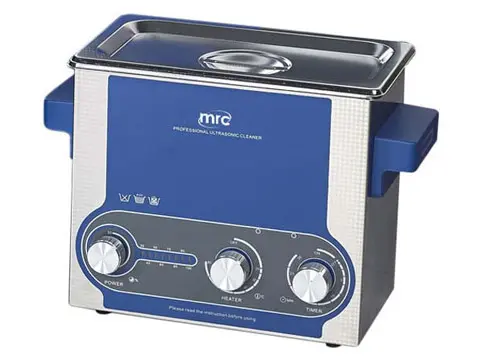
An ultrasonic jewelry cleaner is a compact device designed to clean jewelry using high-frequency sound waves. Unlike manual scrubbing, it removes dirt, oils, and contaminants from even the smallest crevices without damaging the surface.
This method is widely used in both homes and professional environments because it delivers consistent, high-quality cleaning results with minimal effort.
About History
Ultrasonic cleaning technology was originally developed for industrial and laboratory applications. Over time, it became popular in consumer products, especially for cleaning jewelry, watches, and delicate components.
Today, the ultrasonic jewelry cleaner is a standard tool in jewelry shops, laboratories, and households due to its efficiency and reliability.
How an Ultrasonic Jewelry Cleaner Works
Cavitation Explained
At the core of every ultrasonic jewelry cleaner is a process called cavitation. When ultrasonic waves pass through a liquid, they create millions of microscopic bubbles.
These bubbles rapidly expand and collapse, producing tiny shockwaves that dislodge dirt and contaminants from surfaces.
This process is powerful yet gentle, making it ideal for cleaning intricate jewelry designs.
Role of Frequency and Power
Most ultrasonic jewelry cleaner devices operate between 20 kHz and 40 kHz. Lower frequencies provide stronger cleaning action, while higher frequencies are gentler and suitable for delicate items.
Higher wattage means more intense cleaning, but it must be balanced to avoid damaging fragile materials.
Cleaning Cycle Process
A typical cleaning cycle includes:
- Filling the tank with a cleaning solution
- Placing jewelry in the basket
- Running the ultrasonic cycle
- Rinsing and drying items
The entire process usually takes just a few minutes.
Using an Ultrasonic Jewelry Cleaner
Deep Cleaning Efficiency
An ultrasonic jewelry cleaner reaches areas that are impossible to clean manually. It removes dirt from tiny crevices, engravings, and settings.
This results in a level of cleanliness that traditional methods simply cannot achieve.
Time Saving Advantages
Cleaning jewelry manually can take a significant amount of time. With an ultrasonic jewelry cleaner, the process is automated and fast.
Most cleaning cycles take between 3 and 10 minutes, saving valuable time.
Safe for Delicate Items
Despite its power, an ultrasonic jewelry cleaner is safe for many delicate items. It does not require harsh scrubbing or abrasive materials.
This reduces the risk of scratches or damage.
What Can You Clean with an Ultrasonic Jewelry Cleaner
Jewelry Materials
An ultrasonic cleaner can effectively clean:
- Gold
- Silver
- Platinum
- Diamonds
- Hard gemstones
Watches and Accessories
It can also clean:
- Metal watch bands
- Eyeglasses
- Coins
- Dental tools
What Not to Clean
Sensitive Gemstones
Some gemstones are too delicate for ultrasonic cleaning, including:
- Opals
- Pearls
- Emeralds
- Turquoise
These materials can crack or become damaged.
Organic Materials
Organic materials such as coral and amber should not be cleaned in an ultrasonic jewelry cleaner.
How to Use an Ultrasonic Jewelry Cleaner Properly
Step-by-Step Instructions
- Fill the tank with water and cleaning solution
- Place jewelry in the basket
- Set the timer
- Start the cleaning cycle
- Rinse with clean water
- Dry with a soft cloth
Buying Guide for Ultrasonic Jewelry Cleaner
Size and Capacity
Choose a size based on your needs. Small units are suitable for personal use, while larger models are ideal for professional settings.
Frequency Range
Higher frequencies are better for delicate items, while lower frequencies provide stronger cleaning.
Additional Features
Look for features such as:
- Digital timers
- Heating function
- Adjustable power settings
Safety Tips
Electrical Safety
Always ensure that your sonication bath is used on a stable, dry surface.
Material Compatibility
Check whether your jewelry is suitable for ultrasonic cleaning before use.