MRCs provide a variety of Refrigerator Thermometers for accurate measurement of the refrigerator or freezer. A refrigerator or freezer temperature Thermometer is a must-have accessory in any kitchen if you feel something is wrong. The desired refrigerator temperature is 4 degrees.
What is Refrigerator Thermometer
Refrigerator Thermometers are used to measure the temperature of refrigerators and freezers to ensure they operate in a safe range to prevent food spoilage. Cooling food to adequate temperatures is one of the best ways to slow down the growth of bacteria.
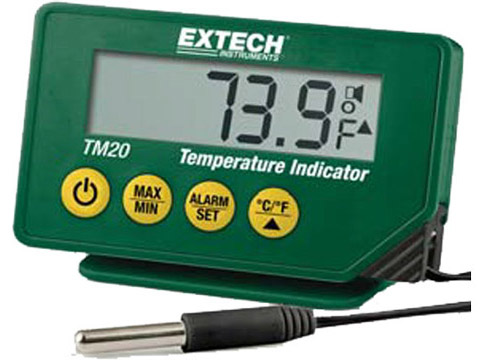
Everything You Need to Know About Refrigerator Thermometers for Lab
Laboratories store various types of samples that require precise temperature control. Without proper temperature regulation, the samples can deteriorate, leading to inaccurate test results. This is where refrigerator thermometers come in. A refrigerator thermometer is a small device that measures and displays the temperature inside a refrigerator. In this article, we will discuss the importance of refrigerator thermometers in a lab, the types of thermometers available, and how to use them effectively.
Importance of Refrigerator Thermometers in a Lab:
Maintaining a consistent and appropriate temperature is essential for the integrity of samples in a laboratory setting. Refrigerator thermometers are crucial in ensuring that the temperature remains within the optimal range, preventing the samples from deteriorating. The following are some reasons why refrigerator thermometers are necessary in a lab:
- Accuracy: A refrigerator thermometer provides a precise reading of the temperature inside the refrigerator, which helps to maintain the accuracy of the samples.
- Compliance: Many regulatory bodies require that laboratories maintain specific temperatures to comply with safety and quality standards.
- Cost-saving: Refrigerator thermometers help to prevent spoilage of samples, which can save laboratories money by reducing the need for retesting and sample replacement.
Types of Refrigerator Thermometers:
There are different types of refrigerator thermometers available, each with unique features and functionalities. The following are some common types of refrigerator thermometers:
- Analog Thermometers: These thermometers have a dial display and work based on the expansion and contraction of a liquid or metal coil with temperature changes. They are relatively inexpensive and easy to use.
- Digital Thermometers: Digital thermometers have a digital display that shows the temperature. They are more accurate and have a faster response time than analog thermometers.
- Data Logger Thermometers: These thermometers have a data logger that records temperature readings at set intervals. They are useful for monitoring temperature changes over time and identifying any fluctuations.
How to Use Refrigerator Thermometers:
Using refrigerator thermometers is relatively straightforward. Here are some tips for effectively using refrigerator thermometers:
- Place the thermometer in the middle of the refrigerator's top shelf, away from the walls, door, and other heat sources.
- Allow the thermometer to stabilize for at least an hour before taking a reading.
- Check the thermometer regularly to ensure that the temperature remains within the optimal range.
- Calibrate the thermometer regularly to ensure that it provides accurate readings.
FAQs:
Q: What is the optimal temperature for storing samples in a refrigerator?
A: The optimal temperature for storing most samples in a refrigerator is between 2°C and 8°C.
Q: How often should I calibrate my refrigerator thermometer?
A: It is recommended to calibrate your thermometer at least once a year or whenever you suspect it may be providing inaccurate readings.
Q: Can I use a regular thermometer in a laboratory refrigerator?
A: No, regular thermometers may not be accurate enough for use in a laboratory setting. It is recommended to use a refrigerator thermometer specifically designed for use in a laboratory.
The importance of using a Refrigerator Thermometer
Using a refrigerator thermometer is crucial for several reasons, all of which contribute to ensuring food safety and maintaining the freshness of perishable items. Here are some key reasons why a refrigerator thermometer is important:
Food Safety: Refrigerators are designed to keep food at a safe temperature to prevent the growth of bacteria that can lead to foodborne illnesses. A thermometer helps you monitor and maintain the proper temperature, which is generally recommended to be at or below 40 degrees Fahrenheit (4 degrees Celsius).
Temperature Accuracy: Refrigerator temperature settings can sometimes be inaccurate or fluctuate. Placing a thermometer inside allows you to verify that the internal temperature is within the safe range. This is especially important for foods like meat, dairy, and leftovers.
Preventing Spoilage: Different types of food require specific temperature ranges for optimal freshness. Using a thermometer helps you ensure that your refrigerator is set correctly, preventing premature spoilage and extending the shelf life of your groceries.
Energy Efficiency: Monitoring the temperature with a thermometer helps you identify any issues with the refrigerator's cooling system. If the temperature is consistently too high, the appliance might be working harder than necessary, leading to increased energy consumption. This can help you address any malfunctions or inefficiencies promptly.
Cost Savings: By maintaining the correct temperature, you can reduce the risk of food waste. Proper temperature control slows down the growth of bacteria and extends the shelf life of your groceries, preventing you from having to discard items that have gone bad.
Regulatory Compliance: In certain industries, such as restaurants and food services, there are regulations in place regarding food storage temperatures. Using a thermometer allows businesses to comply with these regulations and ensure the safety of their customers.
Look our laboratory freezers