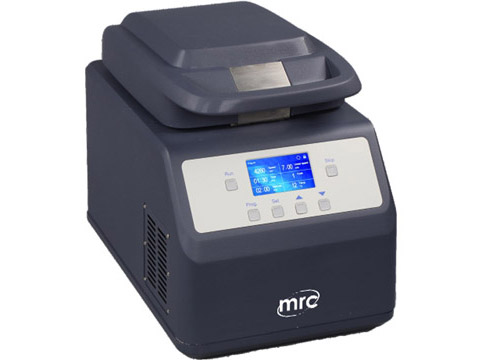
What is a Laboratory Mill and Why is it Important?
A laboratory mill is a device used for grinding, crushing, and homogenizing materials.
It enables the production of uniform particle sizes for accurate analysis.
It is essential in fields such as:
- Analytical chemistry
- Pharmaceuticals
- Food and nutrition
- Biotechnology
- Advanced materials
The quality of grinding directly affects the reliability of results.
MRC - Leadership in Laboratory Mills
Wide Range of Laboratory Mills:
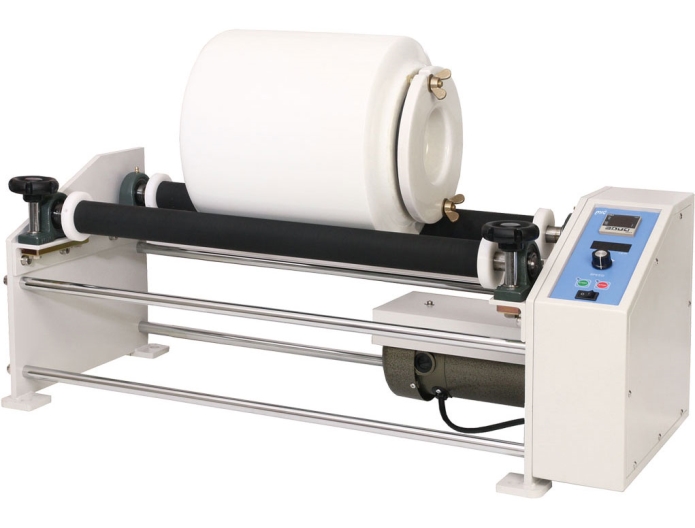
- Ball mills
- Knife mills
- Disc mills
- Cryogenic mills
Customization Based on Sample Type:
- Hard materials
- Soft materials
- Biological samples
- Powders and mixtures
MRC works with leading international manufacturers and emphasizes quality, reliability, and high performance.
Key Advantages of Laboratory Mills
- High precision - control over particle size
- Consistency - repeatable and reliable results
- Efficiency - saves laboratory working time
- Durability - long-term use with high-quality materials
- Safety - advanced protection systems for users
Applications Across Industries
Pharmaceutical Industry:
- Preparation of active pharmaceutical ingredients (API)
Food Industry:
- Quality and composition testing
Academic Research:
- Development of new materials
Chemical Industry:
- Analysis of complex mixtures
Technology and Innovation
- Digital control of speed and grinding time
- Cooling systems to prevent sample overheating
- إمكانية العمل בתנאים סטריליים → Ability to operate under sterile conditions
- Integration of automation for repetitive processes
Professional Service and Support
- Consultation for selecting the right mill
- Professional user training
- Technical service and ongoing maintenance
- Availability of spare parts and long-term support
Questions and Answers
What is the difference between the types of mills?
Ball mills are suitable for ultra-fine grinding.
Knife mills are ideal for soft and fibrous materials.
Disc mills are designed for hard and brittle materials.
How do you choose the right mill?
- According to the type of material
- Desired particle size
- Laboratory workload volume
- Accuracy requirements and standards
Can one mill be used for all materials?
No. Each material has different characteristics and requires a specific type of mill.
Do laboratory mills require maintenance?
Yes. Regular cleaning and periodic inspections ensure long-term proper operation.
What is the advantage of digital control?
It allows high precision in the grinding process and improves repeatability between tests.
Is automation available?
Yes. Some systems include automated processes to save time and reduce human error.
Advanced Laboratory Milling Solutions by MRC
MRC offers advanced, high-level laboratory milling solutions.
The combination of technology, quality, and professional service positions the company as a leading supplier in world.
Choosing the right equipment has a direct impact on laboratory performance and the quality of results.
MRC is recognized as a prominent supplier in the laboratory equipment sector, providing advanced solutions for a wide range of scientific and industrial applications.