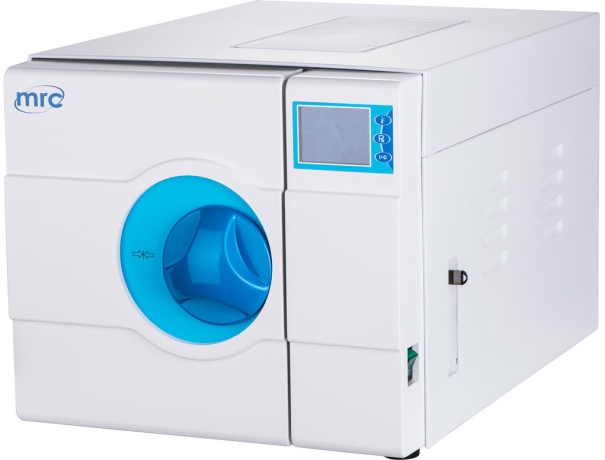
MRC is a leading supplier in world specializing in the distribution of autoclaves for a wide range of applications.
What is an Autoclave and Why is it Critical?
An Autoclave is a sterilization device that operates using high-pressure steam.
It is used to eliminate bacteria, viruses, fungi, and spores.
Autoclaves are essential in:
- Laboratories
- Hospitals
- Pharmaceutical industry
- Food industry
- Biotechnology
They ensure sterile working conditions and reliable experimental results.
MRC - Leadership in the world Autoclave Market
MRC is recognized as one of the key suppliers in the laboratory equipment sector in world.
The company:
- Offers a wide range of autoclaves tailored to different needs
- Combines quality, advanced technology, and professional support
- Works with leading international manufacturers in sterilization
According to the company’s CEO, Reuven:
"MRC is proud to be a leader in the distribution of autoclaves in world."
What are the types of Autoclaves
Benchtop Autoclaves
- Suitable for small to medium laboratories
- Space-saving and easy to operate
Vertical Autoclaves
- Higher capacity
- Ideal for research and academic institutions
Horizontal Autoclaves
- Designed for industrial use and hospitals
- Easy loading with large volumes
Key Advantages of Autoclaves
- Fast and efficient sterilization
- Precise temperature and pressure control
- Customizable operation programs
- High level of user safety
- Long-term cost savings
Advantages of Working with MRC
- Professional equipment selection tailored to customer needs
- Technical consultation before purchase
- Local service and maintenance in Israel
- High availability of spare parts
- Extensive experience in the laboratory market
Main Application Areas
- Research and academic laboratories
- Hospitals and clinics
- Pharmaceutical industry
- Food industry
- Chemistry and biology laboratories
Criteria for Choosing an Autoclave
- Sterilization chamber volume
- Type of materials to be sterilized
- Compliance requirements (such as ISO, CE)
- Level of automation and control
- Available physical space in the laboratory
Advanced Autoclave Technologies
- Digital control systems
- High-precision pressure and temperature sensors
- Automated sterilization programs
- Multi-layer safety systems
- Data logging and process management
Frequently Asked Questions (FAQ)
What is the difference between a benchtop and a vertical autoclave?
A benchtop autoclave is compact and convenient for daily use.
A vertical autoclave is designed for larger volumes and intensive use.
How long does a sterilization cycle take?
Typically between 15 to 60 minutes, depending on the program and materials.
Are autoclaves suitable for all materials?
No. Some materials are sensitive to heat or pressure and are not suitable for steam sterilization.
How can you verify successful sterilization?
Using biological and chemical indicators.
Advanced systems also include digital documentation.
What maintenance is required for an autoclave?
- Periodic cleaning
- Routine inspections
- Seal replacement when necessary
Why Choose MRC?
A combination of experience, product variety, and professional local service.
Precise solutions tailored to each customer’s needs.
Professional Summary
An autoclave is critical equipment for any sterile working environment.
Choosing the right system directly impacts work quality and safety.
MRC provides advanced solutions with full professional support throughout the entire process.