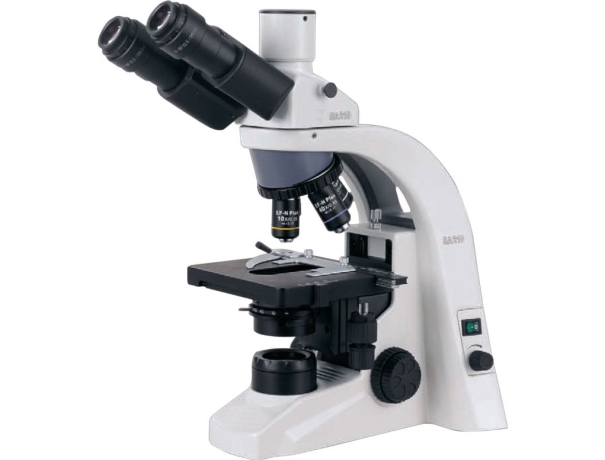
The field of embryology and in vitro fertilization (IVF) is one of the most sensitive and precision-driven areas in modern medicine. Every procedure performed in the laboratory - from fertilization and embryo monitoring to selection and transfer - requires microscopic-level accuracy, controlled working conditions, and high-resolution imaging. Dedicated microscopes for this field are essential tools that enable embryologists and researchers to perform delicate procedures while preserving embryo quality and maximizing success rates.
The use of advanced microscopy systems allows for precise identification of cellular structures, monitoring of cell division, accurate embryo selection, and the execution of micromanipulation techniques at the single-cell level.
Microscopes for Egg Retrieval
During the egg retrieval stage, microscopes are used to identify and isolate oocytes from follicular fluid. Stereo microscopes are typically used for this purpose, offering low to medium magnification with a wide field of view.
Why microscopy is essential at this stage:
- Enables rapid and accurate identification of oocytes within complex biological fluid
- Supports gentle handling and isolation without damaging the cells
- Reduces the risk of losing viable samples
- Improves efficiency and overall sample quality
Microscopes for Embryo Transfer Preparation
Before embryo transfer, microscopes are used to evaluate and select the most viable embryos. Inverted microscopes with advanced optical systems are commonly used at this stage.
Why microscopy is essential at this stage:
- Allows precise morphological assessment of embryo quality
- Supports selection of embryos with the highest implantation potential
- Helps identify developmental abnormalities
- Enables sterile and controlled laboratory workflow
Microscopes for In Vitro Fertilization (IVF)
During fertilization, especially in advanced techniques such as ICSI (Intracytoplasmic Sperm Injection), high-precision microscopes equipped with micromanipulation systems are required.
Why microscopy is essential in IVF procedures:
- Enables highly precise manipulation at the single-cell level
- Essential for injecting sperm directly into the oocyte
- Provides full control over the fertilization process
- Significantly improves treatment success rates
Microscopes used in this field typically include:
- Inverted microscopes with high magnification
- Advanced micromanipulation systems
- Specialized illumination methods such as Hoffman or DIC
- Environmental control systems including temperature and CO₂ regulation
Microscopes for Genetic Research
Genetic research in embryology requires high-resolution imaging capabilities, often involving fluorescence-based techniques.
Why microscopy is essential in genetic research:
- Enables detection of chromosomal and molecular abnormalities
- Supports techniques such as PGT (Preimplantation Genetic Testing)
- Allows monitoring of gene expression in cells
- Essential for understanding complex biological processes
Common systems used in genetic research include:
- Fluorescence microscopes
- Advanced imaging systems
- Confocal microscopes
Professional Summary
MRC is a major international supplier of microscopes for embryology and IVF.
Selecting the right microscopes for embryology and IVF directly impacts laboratory performance and clinical outcomes. Each stage of the process requires a specific type of microscope with tailored capabilities, making it essential to match the equipment to the precise needs of the laboratory.
Investing in advanced microscopy systems ensures:
- Higher precision in laboratory work
- Improved embryo quality
- Increased IVF success rates
- Strong support for research and development
In this field, microscopes are not just observational tools but critical components of both clinical and research workflows, enabling accurate decision-making under highly sensitive conditions.