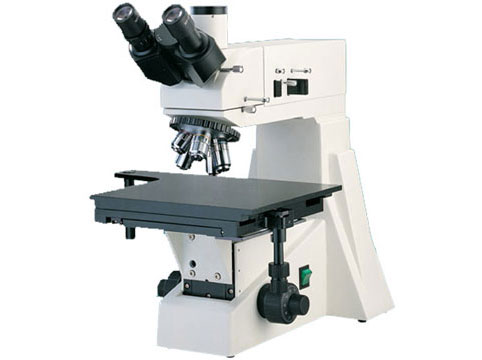
The field of electronics and semiconductors is the foundation of almost every modern technological product: smartphones, tablets, computers, communication components, control systems, medical equipment, automotive electronics, industrial instruments, security systems, laboratory equipment, smart consumer products, and advanced systems for the high-tech industry. In order to develop, test, repair, and manufacture electronic components, professionals need precise tools, suitable inspection equipment, a controlled working environment, and the ability to identify extremely small details at the level of the circuit, component, solder joint, and material.
The Electronics and Semiconductors category includes solutions for electronics laboratories, repair technicians, PCB manufacturers, development companies, production facilities, quality control laboratories, educational institutions, research laboratories, and industries involved in microelectronics, chips, silicon wafers, SMD components, delicate soldering, and precise inspection of electronic components.
Work in this field requires a very high level of accuracy. A small defect in a solder joint, a tiny short circuit on a printed circuit board, a broken conductive trace, a misplaced component, or contamination on a silicon wafer can affect the function of the entire product. For this reason, suitable equipment for diagnosis, magnification, measurement, inspection, and repair is essential for professional and reliable work.
What Does the Electronics and Semiconductors Category Include?
The electronics and semiconductors category includes equipment and tools designed for working with electronic components, printed circuit boards, electronic cards, computer systems, communication components, power components, chips, silicon wafers, and delicate electronic assemblies. This equipment can be used in development and manufacturing stages, as well as in maintenance, repair, inspection, and quality control.
Common applications include PCB inspection, troubleshooting electronic boards, solder joint inspection, SMD component repair, working with microscopes for electronics repair, semiconductor inspection, silicon wafer handling, cleaning delicate components, contamination inspection, connector inspection, physical damage detection, and delicate work at the individual component level.
This field is suitable for a wide range of professional users, including electronics technicians, development engineers, quality control personnel, mobile phone repair technicians, computer technicians, service laboratory staff, researchers, students, electronics manufacturing companies, and businesses involved in the assembly and repair of electronic boards.
Printed Circuit Boards PCB and Soldering
A printed circuit board, or PCB, is the physical and electrical base on which electronic components are mounted. The circuit board includes conductive layers, electrical traces, soldering points, holes, insulation layers, SMD components, and other elements that allow the electronic system to function. Almost every electronic product includes at least one printed circuit board, and often several complex boards connected to one another.
PCB inspection requires the ability to see very small details. Modern SMD components can be extremely tiny, and the spacing between soldering points is very narrow. For this reason, PCB work often requires magnification equipment, microscopes, suitable lighting, precise soldering tools, measurement equipment, and electrical testing.
The Importance of Solder Joint Inspection in Printed Circuit Boards
Soldering quality directly affects circuit reliability. A faulty solder joint may cause an open circuit, short circuit, overheating, electrical noise, unstable operation, or complete product failure. Sometimes the fault is not immediately visible and only appears later due to vibration, temperature changes, electrical load, or long-term use.
Professional solder joint inspection helps identify issues such as cold solder joints, insufficient solder, excess solder, solder bridges between component pins, cracks in the solder joint, displaced components, burned components, weak connection points, or contamination around the soldering area. When working with dense boards, expensive systems, or critical products, accurate solder inspection is an essential stage in the work process.
Working with SMD Components
SMD components are electronic components mounted directly on the surface of the printed circuit board. They allow the production of smaller, denser, and more efficient boards, but they also require a higher level of precision during repair and assembly. Work with SMD components includes soldering, removal, replacement, alignment, cleaning, and connector inspection.
Professional work with SMD components requires suitable equipment, such as a stereo microscope, soldering station, hot air station, precision tweezers, cleaning materials, anti-static work surface, and measurement tools. The microscope allows the technician to see the component position, pin condition, soldering quality, and spacing between connection points.
Troubleshooting Printed Circuit Boards
Troubleshooting a PCB can be a complex process. A fault may be caused by a burned component, a short circuit between traces, a broken conductive path, a damaged capacitor, a faulty resistor, an overheated chip, poor soldering, corrosion, liquid damage, or mechanical damage. In many cases, it is necessary to combine visual inspection under magnification with electrical testing.
A suitable microscope makes it possible to identify initial physical signs such as discoloration, cracks, burns, swelling, liquid residue, corrosion, or a component that has moved out of place. Electrical measurements can then be performed to confirm the source of the fault. The combination of magnified vision, correct lighting, and accurate testing equipment shortens diagnostic time and improves the chances of successful repair.
Equipment for Repairing Phones, Tablets, and Computers
Repairing phones, tablets, and computers has become a highly advanced technical field. Modern devices include dense boards, tiny connectors, BGA components, cameras, memory chips, charging components, screens, batteries, antennas, and delicate communication components. Accurate and reliable equipment is required in order to perform high-quality repairs.
Professional repair laboratories use magnification equipment, opening tools, soldering stations, hot air stations, power supplies, multimeters, microscopes, cleaning tools, board holders, anti-static work surfaces, and testing equipment. These tools allow technicians to diagnose faults, replace components, repair connections, check voltage rails, and perform delicate work without causing additional damage to the device.
Smartphone Repair
Smartphones contain very small components and densely packed circuits. Common faults include damaged charging ports, burned charging components, shorts on the board, corrosion caused by liquid exposure, faulty communication components, audio problems, display issues, camera problems, swollen batteries, and damaged connectors.
When working on smartphones, it is essential to clearly see the faulty area. A microscope for phone repair allows the technician to inspect connectors, small components, SMD parts, voltage rails, solder joints, corrosion, and tiny cracks on the board. When replacing a small component or repairing a solder point, high-quality magnification can be the difference between a successful repair and additional damage.
Tablet Repair
Tablets combine large screens, flat batteries, thin circuit boards, ribbon connectors, charging components, cameras, speakers, and sensors. Work on tablets requires great care because many parts are connected using delicate FPC cables and small connectors. Damage to a small connector can disable an entire function of the device.
Suitable equipment allows the technician to open the device safely, inspect the board, replace components, clean corrosion areas, check connectors, and perform delicate soldering repairs. A microscope is especially helpful for identifying broken connectors, bent pins, liquid residue, poor solder joints, or damaged tiny components.
Computer and Motherboard Repair
Laptops, desktop computers, and motherboards include more complex electrical systems, power components, memory chips, processors, controllers, charging connectors, charging circuits, communication components, capacitors, coils, and different voltage rails. Motherboard repair requires electrical understanding, measurement skills, and the ability to work on small and dense areas.
In laptops, common faults include broken charging sockets, board shorts, burned components, liquid damage, voltage rail problems, damaged display connectors, BIOS components, graphics chips, or faulty charging components. Using a microscope and suitable testing equipment allows the technician to locate physical damage, inspect solder joints, identify corrosion, and perform accurate component-level repair.
Microscopes for Electronics Repair
A microscope is one of the most important tools in modern electronics work. When components are small and densely placed, it is very difficult to perform high-quality repairs without stable and clear magnification. A microscope for electronics repair allows the technician to view the board accurately, identify defects, perform delicate soldering, and check the quality of the repair after completion.
Stereo microscopes are especially common in electronics work because they provide a three-dimensional image and good depth perception. Depth perception is important when working with a soldering iron, tweezers, hot air, or other repair tools. In addition, a microscope with a camera allows users to document faults, show findings to customers, save before-and-after images, and use the documentation for training and quality control.
Advantages of Using a Microscope in Electronics Repair
Using a microscope improves accuracy, reduces mistakes, and enables work that cannot be performed with the naked eye. It helps identify cold solder joints, tiny cracks, corrosion, burned components, damaged traces, solder bridges, mechanical damage, and parts that are not properly aligned.
In addition, working under a microscope allows the technician to control tools more effectively. When the soldering point is clearly visible, it is easier to add solder, remove excess material, replace a component, or clean a damaged area. This is especially important in repairs of phones, tablets, computers, and dense electronic boards.
Semiconductors and Silicon Wafers
Semiconductors are materials with electrical properties between those of a conductor and an insulator. They form the basis for the production of chips, transistors, diodes, sensors, processors, memory devices, and advanced electronic components. The most common material in the industry is silicon, which is used to manufacture silicon wafers on which microscopic circuits are created through advanced production processes.
A silicon wafer is a thin and precisely manufactured disc used to produce microelectronic components. Any defect, dust particle, scratch, contamination, crack, or surface irregularity on the wafer may affect manufacturing quality and the function of the final component. Therefore, working with silicon wafers and semiconductors requires a clean working environment, accurate equipment, and strict quality control.
Silicon Wafer Inspection
Silicon wafer inspection is performed to identify physical defects, contamination, scratches, cracks, particles, non-uniformity, manufacturing defects, or process-related problems. Inspection may include visual observation under magnification, imaging, measurement, surface analysis, and additional tests according to the production or research stage.
Microscopes and optical equipment are used to inspect the wafer surface and detect tiny defects. In research laboratories, academic institutions, and the semiconductor industry, magnification and inspection equipment are an important part of development, validation, and quality control.
The Importance of Cleanliness in Semiconductor Work
In semiconductor work, cleanliness is critical. A small particle, material residue, fingerprint, moisture, or chemical contamination can cause process failure or reduce component quality. For this reason, controlled work environments, gloves, special tweezers, suitable handling tools, clean work surfaces, and sensitive inspection equipment are used.
Even in research and development processes that are not full industrial production, maintaining clean wafers and components is highly important. Inspection under magnification makes it possible to identify dirt, damage, or defects before continuing the process, saving time, materials, and costs.
Uses of Semiconductors
Semiconductors are found in an enormous range of products and technologies. They are used in processors, memory devices, sensors, solar cells, communication components, control systems, medical equipment, measurement instruments, electric vehicles, automation systems, cameras, screens, computers, and smartphones.
The demand for advanced components requires more precise work, higher-quality inspection, and the ability to detect defects at high resolution. Therefore, the electronics and semiconductors category includes equipment suitable both for practical electronics repair and for research, development, and production of advanced components.
Quality Control in Electronics and Semiconductors
Quality control is a central stage in every process involving electronics and semiconductors. It ensures that the component, circuit, or product meets functional, safety, and reliability requirements. Inspection can be performed during production, after assembly, before shipment to the customer, or as part of a repair process.
In printed circuit boards, quality control includes solder joint inspection, component position inspection, short-circuit detection, trace inspection, board cleanliness inspection, and heat damage detection. In phone and computer repair, quality control includes functional testing, charging tests, connection tests, stability checks, and visual inspection of the repaired area. In semiconductors, quality control includes surface inspection, particle detection, defect inspection, and advanced measurement tests.
Performing quality control with suitable equipment reduces repeat faults, improves reliability, lowers costs, and raises the level of service or production quality.
Common Equipment for Electronics and Semiconductor Work
Electronics laboratories and professional repair environments use a wide range of equipment according to the type of work. Common tools include stereo microscopes, digital microscopes, soldering stations, hot air stations, power supplies, multimeters, oscilloscopes, tweezers, ESD mats, board holders, cleaning tools, focused lighting, documentation cameras, testing equipment, and precision tools.
When working with semiconductors and silicon wafers, there is also a need for tools designed for delicate handling of sensitive materials, such as special tweezers, suitable trays, handling accessories, clean work environments, and optical equipment for surface inspection. Choosing the right equipment makes it possible to work safely, accurately, and consistently.
Who Is the Electronics and Semiconductors Category For?
This category is intended for a wide range of professional customers. Mobile phone repair laboratories can use the equipment for repairing phones, tablets, and computers. Electronics technicians can perform PCB inspection, SMD component replacement, and troubleshooting of electronic boards. Manufacturing companies can use the equipment for quality control, solder joint inspection, and component inspection. Educational institutions can train students in practical electronics work. Research laboratories can inspect semiconductor components, silicon wafers, and advanced materials.
The category is also suitable for development companies, startups, engineering departments, service laboratories, medical equipment manufacturers, control system manufacturers, measurement instrument manufacturers, electronics factories, and businesses involved in restoring, repairing, and upgrading electronic systems.
How to Choose Suitable Equipment for Electronics and Semiconductors
Choosing the right equipment should begin with defining the type of work. A user involved in phone and tablet repair will need a comfortable microscope, good lighting, soldering station, hot air station, and delicate opening tools. A user repairing motherboards and printed circuit boards will also need measurement equipment, power supplies, board holders, and troubleshooting equipment. A user working with semiconductors and silicon wafers will need accurate optical equipment, clean handling accessories, and a controlled work environment.
It is important to check equipment quality, precision level, working comfort, suitability for small components, stability, documentation options, and long-term durability. Professional and reliable equipment improves work quality, saves time, reduces faults, and enables complex operations to be performed safely and accurately.
The Importance of an Anti-Static ESD Work Environment
One of the main risks in electronics work is electrostatic discharge, known as ESD. Such discharge can damage sensitive electronic components even when the damage is not immediately visible. A component affected by ESD may stop working immediately or develop a fault later.
Therefore, when working with printed circuit boards, SMD components, electronic cards, phones, computers, and semiconductors, it is important to use an anti-static work environment. This can include an ESD mat, grounding wrist strap, suitable tools, proper component storage, and organized work procedures. Combining precise equipment with a safe working environment improves the reliability of repair and production.
Documentation and Imaging in Repair and Inspection Processes
In many laboratories, documentation is highly important. Capturing images of the fault area before the repair, during the work, and after completion allows the technician to show the customer the source of the problem, maintain professional records, perform comparisons, train employees, and improve quality control processes.
A microscope with a camera or a digital system can be used to document solder joints, burned components, corrosion, cracks, silicon wafer defects, repair quality, and delicate connections. For service laboratories, this type of documentation strengthens customer trust. For research and production laboratories, it enables professional tracking of findings and processes.