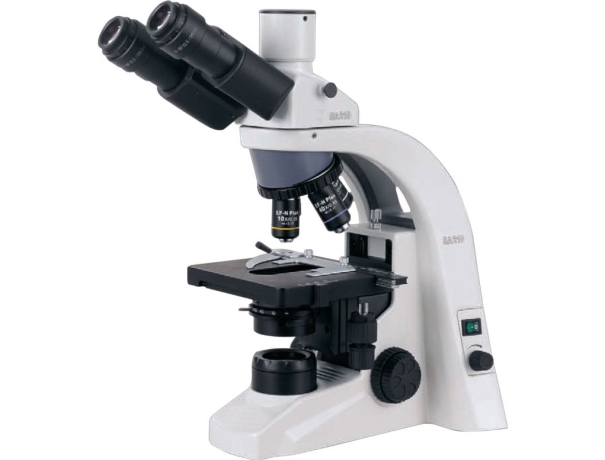
Modern botany and agriculture rely more than ever on precision, early diagnosis, and control of biological processes. Microscopes are a critical tool at every stage, from basic research of plant structures, through monitoring crop health, to improving yields and managing plant diseases. Proper use of a microscope enables early detection of problems, cost reduction, and significant improvement in productivity and quality.
Why use a microscope in botany and agriculture?
- Early detection of diseases and pests not visible to the naked eye
- Analysis of plant tissue structure and understanding physiological processes
- Seed and germination quality inspection
- Monitoring growth conditions and their impact on plant development
- Optimization of fertilization and irrigation based on accurate data
Microscopes for Agronomy and Forestry
Agronomy focuses on soil management, crop production, and resource optimization, while forestry deals with the management of forest ecosystems. In both areas, microscopes are essential for understanding soil and plant systems at the microscopic level.
Why are microscopes needed in this field?
- Soil analysis: identification of microorganisms, fungi, and bacteria affecting soil fertility
- Plant tissue analysis: detection of nutrient deficiencies and environmental effects
- Forest disease detection: early identification of pathogenic fungi in trees
- Pest monitoring: identification of microscopic insects and eggs
Suitable microscope types:
- Biological microscopes (compound) for high magnification and cellular analysis
- Stereo microscopes for examining larger samples such as leaves, seeds, and insects
- Digital imaging systems for documentation and long-term comparison
Microscopes for Horticulture
Horticulture includes plant cultivation, nurseries, ornamental plants, and commercial growing environments. Here, microscopes serve as a practical daily tool to maintain plant quality and health.
Why use microscopes in horticulture?
- Early pest detection such as mites and aphids
- Seedling quality control and early-stage issue identification
- Monitoring leaf diseases, fungi, and environmental damage
- Quality control in nurseries to ensure uniform and healthy plants
Suitable microscope types:
- Stereo microscopes with low to medium magnification
- Portable digital microscopes for field use
- Microscopes with strong LED illumination for variable conditions
Microscopes for Plant Pathology
Plant pathology is a critical field in advanced agriculture, focusing on identifying, analyzing, and managing plant diseases caused by fungi, bacteria, viruses, and parasites.
Why are microscopes essential in this field?
- Identification of pathogens and differentiation between organisms
- Accurate diagnosis between biological diseases and environmental stress
- Monitoring disease development and spread
- Advanced laboratory testing including staining techniques and microscopic analysis
Suitable microscope types:
- High-magnification biological microscopes (up to 1000x and beyond)
- Microscopes compatible with staining techniques for cellular visualization
- Advanced systems with imaging, measurement, and analysis software
MRC is a leading supplier of a wide range of microscopes for the fields of botany and agriculture.