Laboratories in the oil , gas and fuel industry use hotplates constantly.
As part of standardized analytical testing, sample preparation, digestion, evaporation, viscosity handling, and quality control.
Hotplates are used for:
* Digestion
* Evaporation
* COD/BOD preparation
* Trace metal prep
A lot of oil & gas laboratory work is actually “sample conditioning before instrumentation,” and hotplates are central to that workflow.

Main uses include:
Crude Oil & Petroleum Sample Preparation
Hotplates are used to:
* Warm heavy crude oil so it flows properly
* Reduce viscosity before analysis
* Homogenize samples before testing
* Melt waxy petroleum fractions
Typical tests:
* Density testing
* Viscosity measurements
* Water content analysis
* Sediment analysis
Common standards:
* ASTM D445
* ASTM D4007
* ASTM D4052
Acid Digestion for Elemental Analysis
One of the biggest laboratory uses.
Oil labs analyze metals contamination:
* Vanadium
* Nickel
* Iron
* Sodium
* Calcium
* Lead
The sample is chemically digested on a hotplate using acids before:
* ICP-OES
* ICP-MS
* AAS analysis
Applications:
* Crude oil contamination
* Catalyst poisoning
* Engine wear analysis
* Pipeline corrosion studies
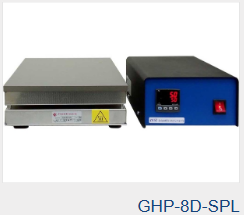
Evaporation & Residue Testing
Hotplates are used to evaporate solvents or lighter hydrocarbons.
Typical tests:
* Residue after evaporation
* Solids contamination
* Oil cleanliness
* Drilling fluid contamination
Especially important in:
* Lubricants
* Fuels
* Refinery QC
Flash Point & Volatility Preparation
Before flash point testing, samples may need controlled preheating.
Related tests:
* Flash point
* Fire point
* Volatility behavior
Standards:
* ASTM D93
* ASTM D92
Asphaltene & Wax Testing
In crude oil research labs:
* Heating crude to dissolve waxes
* Controlled cooling studies
* Paraffin deposition research
Very important for:
* Pipelines
* Offshore production
* Cold-weather transport
Drilling Mud / Drilling Fluid Testing
Oilfield laboratories heavily use hotplates for:
* Mud aging
* Fluid stability studies
* Water-loss testing
* Chemical additive preparation
Tests include:
* Rheology studies
* Emulsion stability
* Thermal stability
Sulfur & Chemical Analysis
Hotplates help prepare samples for:
* Sulfur analysis
* Chemical extraction
* Refinery process control
Especially in:
* Environmental compliance labs
* Fuel certification labs
Water & Environmental Testing
Oil & gas companies also test:
* Produced water
* Wastewater
* Cooling water
* Groundwater contamination
Fuel Stability Testing
Hotplates are used to accelerate oxidation and aging of fuels.
Applications:
* Diesel stability
* Biodiesel oxidation stability
* Gasoline degradation studies
* Jet fuel thermal stability
Purpose:
* Predict storage life
* Detect gum formation
* Evaluate antioxidant additives
Related standards:
* ASTM D2274
* ASTM D6468
* EN 14112
Gum Content Testing
Very common in gasoline laboratories.
Fuel is evaporated on controlled heating systems to determine:
* Existing gum
* Potential gum deposits
Why important:
Gum formation clogs:
* Injectors
* Carburetors
* Fuel systems
Distillation Procedures
Although dedicated distillation units are usually used, hotplates are sometimes involved in:
* Manual distillation setups
* Fraction heating
* Residue concentration
* Research applications
Tests evaluate:
* Fuel volatility
* Boiling range
* Fraction composition
Important for:
* Gasoline
* Diesel
* Aviation fuel
Biodiesel Production & QC
Hotplates are heavily used in biodiesel labs for:
* Transesterification reactions
* Heating vegetable oils
* Methanol processing
* Catalyst dissolution
QC tests include:
* Conversion efficiency
* Free glycerin
* Total glycerin
* Water content
* Stability testing
Cloud Point / Pour Point Sample Preparation
Before low-temperature fuel tests, samples may require controlled heating.
Applications:
* Re-dissolving wax crystals
* Homogenizing diesel
* Preparing winter fuel samples
Critical in:
* Aviation fuels
* Winter diesel
* Marine fuels
Lubricity & Additive Research
Fuel additive laboratories use hotplates during:
* Additive blending
* Thermal stress testing
* Deposit formation studies
* Compatibility testing
Common in R&D environments.
Sulfated Ash Testing
Very important in lubricant and fuel additive laboratories.
Process:
* Sample heated
* Burned
* Residue treated with sulfuric acid
* Reheated
Purpose:
Measure inorganic ash content.
Important for:
* Engine oils
* Marine fuels
* Additive packages
Related standard:
* ASTM D874
Carbon Residue Testing
Fuel samples are heated to determine carbon-forming tendency.
Applications:
* Diesel
* Heavy fuel oils
* Residual fuels
* Jet fuels
Purpose:
Predict deposit formation in engines and turbines.
Standards:
* ASTM D189
* ASTM D4530

Water Separation & Emulsion Studies
Fuel labs study:
* Fuel/water separation
* Emulsion breakdown
* Demulsifier performance
Hotplates help simulate:
* Storage conditions
* Pipeline temperatures
* Engine operating temperatures
Marine Fuel Laboratories
Especially important today because marine fuels became much more chemically complex after IMO sulfur regulations.
Hotplates are used for:
* Heating heavy bunker fuels
* Viscosity reduction
* Compatibility testing
* Sediment formation studies
Heavy marine fuels sometimes must be heated just to become pumpable.
Research on Alternative Fuels
Modern energy labs use hotplates for:
* Sustainable aviation fuel (SAF)
* Ethanol blends
* Methanol fuels
* Hydrogen carrier liquids
* Synthetic fuels
Applications include:
* Catalyst reactions
* Thermal degradation studies
* Blend optimization
Fuel Contamination Analysis
Hotplates are used in preparation for detecting:
* Dirt
* Metals
* Water
* Biological contamination
* Polymers
* Cross-fuel contamination
Especially important in aviation fuel labs.
One important thing many suppliers miss:
Fuel laboratories often need:
* very uniform heating,
* low surface contamination,
* corrosion resistance,
* precise low-temperature control,
* and compatibility with aggressive solvents like toluene, xylene, hexane, acetone, sulfuric acid, etc.
So standard “educational lab hotplates” are usually not suitable for serious petroleum laboratories.
Why Oil & Gas Labs Often Prefer Ceramic or Aluminum Hotplates
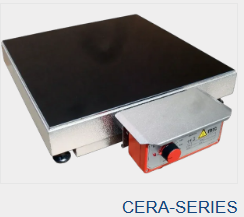
They usually require:
* Chemical resistance
* Uniform heating
* Spark-safe environments
* Precise temperature control
* Corrosion resistance
In hazardous environments they may use:
* Explosion-proof heating systems
* ATEX-certified equipment
* Remote-controlled hotplate systems
Typical equipment combined with hotplates:
* Magnetic stirrers
* Reflux systems
* Digestion blocks
* Fume hoods
* Condensers
* Temperature probes