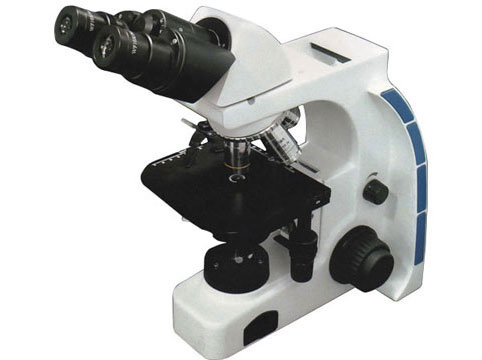
Forensic microscopes are essential tools in forensic laboratories, police laboratories, research laboratories, academic institutions, and organizations involved in the examination of evidence, documents, biological materials, and microscopic findings from crime scenes. In forensic science, the difference between weak evidence and meaningful evidence is often found in microscopic details that cannot be seen with the naked eye: a tiny fiber, a paint particle, an engraving mark, a gunshot residue particle, a drop of blood, the structure of a hair, pressure marks on paper, or a small defect on a counterfeit coin.
The use of a microscope allows professionals to examine evidence with high precision, compare samples, identify unique characteristics, document findings clearly, and provide a scientific basis for professional forensic opinions. For this reason, forensic microscopes are not just auxiliary equipment, but an integral part of the investigation, verification, comparison, and documentation process.
The Importance of Microscopes in Forensic Science
In crime scenes and legal investigations, many types of evidence are too small, delicate, or complex to be examined by the human eye alone. A microscope makes it possible to magnify the evidence, improve contrast, and examine texture, color, structure, layers, wear marks, impact marks, grooves, and foreign particles.
Microscopic examination can help determine whether two findings may have originated from the same source, whether a document was altered, whether a sample contains biological material, or whether a specific mark was created by contact, friction, shooting, forgery, or a natural process.
Forensic laboratories use different types of microscopes, including stereo microscopes, biological microscopes, metallurgical microscopes, digital microscopes, fluorescence microscopes, and forensic comparison microscopes. The choice of microscope depends on the type of evidence, the required magnification level, the need for digital documentation, the lighting method, and the nature of the examination.
Microscopes for Ballistics
Forensic ballistics focuses on the examination of firearms, bullets, cartridge cases, shooting marks, and evidence related to shooting incidents. In many cases, a bullet or cartridge case carries microscopic marks created during firing, when the bullet passes through the barrel or when the cartridge case comes into contact with the firearm mechanism. These marks may be highly important when comparing evidence from a crime scene with a suspected firearm.
A ballistic microscope allows the examiner to inspect grooves, scratches, firing pin impressions, extractor marks, ejector marks, and barrel marks. These examinations require high-quality magnification, precise illumination, and the ability to compare two findings side by side. For this reason, comparison microscopes are commonly used in ballistics. They allow the examiner to view two samples at the same time and evaluate whether similar or different characteristics are present.
The use of a microscope in this field is essential because firing marks are often extremely small, yet may contain distinctive characteristics. Without proper magnification and controlled lighting, it is difficult to identify the pattern of the marks or perform a professional comparison. Ballistic microscopes assist in examining the possible connection between a bullet, a cartridge case, and a firearm, and are a central tool in shooting investigations and expert forensic reports.
Microscopes for Blood Examination
Blood examination in forensic science may include the analysis of bloodstains, droplets, smears, cells, and other biological components. In a forensic laboratory, a microscope is used to examine the visual characteristics of blood samples, detect cells, assess the condition of the sample, and help distinguish between different biological materials.
Biological microscopes are used for examining blood smears and viewing cells under different magnification levels. When sensitive samples need to be examined, advanced lighting techniques and microscopes designed for biological analysis may also be used. In some cases, microscopic examination can support the initial identification of biological material before further chemical, immunological, or genetic testing.
The importance of using a microscope for blood examination comes from the need to observe details that cannot be seen with the naked eye, such as cellular structure, contamination, stain boundaries, drying patterns, or sample texture. Although a microscope does not replace advanced laboratory testing, it is an important stage in documentation, screening, initial examination, and understanding the nature of the evidence.
Microscopes for Genetic Identification
Genetic identification is usually based on DNA testing, but before the molecular testing stage, relevant biological samples must be located, isolated, and identified. In many cases, genetic evidence is found in very small quantities: skin cells, hair roots, saliva residues, tiny bloodstains, tissue, or other biological material.
Microscopes are used in this field to identify potential sources of DNA, examine samples, locate cells, and inspect biological materials before further processing. For example, in hair analysis, the examiner can check whether tissue or a hair root is present, which may contain suitable genetic material. When examining samples from a crime scene, a microscope helps locate small biological particles and select the correct area for testing.
The use of a microscope is especially important because genetic samples may be limited, contaminated, or mixed with other materials. Incorrect sample selection can affect the result or waste valuable material. A high-quality microscope helps the laboratory work carefully, collect the sample more accurately, and increase the chance of obtaining useful genetic information.
Microscopes for Fingerprints
Fingerprints are one of the most recognized forms of forensic evidence, but not every fingerprint is clearly visible to the naked eye. Some fingerprints are partial, smeared, weak, hidden, or located on complex surfaces. A microscope allows the examiner to inspect ridge patterns, bifurcation points, ridge endings, pores, and other tiny characteristics that may support comparison and identification.
Stereo microscopes and digital microscopes are used to examine fingerprints on paper, glass, metal, plastic, packaging, tools, firearms, and other surfaces. When a fingerprint is developed using powders, chemicals, or special lighting, the microscope enables image magnification and precise documentation of the details.
The need for a microscope in this field comes from the fact that many fingerprints are incomplete. A microscope helps distinguish between visual noise and a real fingerprint feature, identify areas suitable for comparison, assess the quality of fingerprint development, and perform imaging and documentation for professional forensic reports.
Microscopes for Hair and Fiber Analysis
Hair and fibers are common trace evidence found at crime scenes. They may be found on clothing, vehicles, carpets, bedding, tools, windows, seats, or bodies. A microscope allows the examiner to inspect the internal and external structure of hairs and fibers, compare samples, and identify features that may indicate their source.
In hair analysis, the examiner can study color, thickness, hair structure, hair tip, damage, dyeing, root condition, medulla, and other morphological characteristics. In fiber analysis, the examiner can inspect color, shape, diameter, transparency, structure, twist, material type, and manufacturing characteristics. In some cases, a polarized light microscope is used to distinguish between different fiber types.
The use of a microscope in this field is important because hairs and fibers may look very similar to the naked eye, but under magnification, significant differences can be identified. Microscopic examination can help establish a possible connection between a person, object, or location, especially when combined with additional testing. A suitable microscope allows the examiner not only to identify the type of evidence, but also to compare it with reference samples in a systematic way.
Microscopes for Handwriting and Document Analysis
Handwriting and document analysis in forensic science includes the examination of ink, paper, pressure marks, corrections, erasures, forgeries, additions, signatures, printing, and document alterations. A microscope helps examine the document in high detail and identify signs that are not visible during regular inspection.
Using a microscope, the examiner can inspect line direction, line overlap, writing pressure, damaged paper fibers, scraping marks, ink variations, color layers, printing defects, and later additions. Digital microscopes and different lighting systems help document the findings and compare different areas of the document.
The importance of a microscope in this field is especially high when there is suspicion of forgery, alteration, or unauthorized addition to a document. For example, a signature may look normal to the naked eye, while microscopic examination can reveal tremors, stops, repeated lines, tracing marks, or a mismatch between ink and paper. For this reason, microscopes for document examination are used by forensic experts, questioned document examiners, forensic handwriting specialists, legal bodies, and investigative laboratories.
Microscopes for Trace Evidence
Trace evidence includes small findings left as a result of contact between people, objects, and environments. These may include paint particles, glass, soil, dust, metal, plastic, fibers, plant residues, tiny fragments, powders, or unidentified materials. Because of the small size of this type of evidence, a microscope is an essential tool for detection, sorting, examination, and comparison.
A stereo microscope is especially suitable for trace evidence examination because it provides a relatively three-dimensional view, comfortable working distance, and flexible external lighting. When structure, layers, or optical properties need to be examined, more advanced microscopes may be used according to the type of sample.
The use of a microscope in trace evidence analysis is important because a small particle may connect a suspect to a scene, a tool to a vehicle, clothing to a location, or an object to an event. Microscopic examination allows the examiner to distinguish between similar materials, select samples for further analysis, and document findings clearly and accurately.
Microscopes for Identifying Counterfeit Coins
Identifying counterfeit coins requires examination of very small details: engravings, minting marks, edges, visual weight impression, surface texture, wear marks, defects, contours, metal layers, and coatings. A microscope allows the examiner to inspect the manufacturing quality of the coin and compare it with a genuine coin or with known characteristics of an original coin.
Stereo microscopes and digital microscopes are used to examine the surfaces of coins, banknotes, medallions, and metallic items. By using lighting from different angles, it is possible to reveal minting defects, casting marks, unusual roughness, uneven coating, or details that do not match an original coin.
The use of a microscope in this field is important because high-quality counterfeits may appear convincing at first glance. However, under magnification, differences can often be identified in the texture, engraving depth, line quality, and manufacturing marks. Microscopic examination supports verification, documentation, and comparison, and is suitable for financial organizations, testing laboratories, law enforcement authorities, collectors, and coin experts.
Types of Microscopes Suitable for Forensic Science
Stereo Microscope
A stereo microscope is suitable for examining three-dimensional objects, trace evidence, fibers, hair, coins, cartridge cases, particles, and surfaces. It provides convenient depth of field, a large working distance, and flexible external illumination, making it highly useful for initial forensic examinations.
Biological Microscope
A biological microscope is used to examine biological samples such as blood, cells, tissues, test smears, and materials related to genetic identification. It is suitable for higher magnification levels and enables detailed observation of biological structures.
Digital Microscope
A digital microscope allows viewing on a screen, image capture, image storage, measurement, and documentation of findings. This is a significant advantage in forensic laboratories, where images are often required for reports, comparisons, training, and expert opinions.
Comparison Microscope
A comparison microscope is suitable for comparing two samples at the same time. It is especially common in ballistic examinations, fiber analysis, hair analysis, tool mark analysis, and findings that require precise visual comparison.
Fluorescence Microscope
A fluorescence microscope is suitable for examinations involving fluorescent markers or situations where certain materials need to be highlighted under specific wavelengths. It can assist in biological tests, selected material examinations, and fingerprints that have undergone suitable treatment.
Metallurgical Microscope
A metallurgical microscope is suitable for examining metals, firearms, coins, mechanical parts, fractures, and wear marks. It enables high-quality examination of opaque surfaces and metallic structures.
How to Choose a Forensic Microscope
Choosing a forensic microscope should be based on the type of evidence being examined, the required magnification level, the lighting method, the need for imaging, user comfort, and documentation capabilities. A laboratory that mainly examines fibers and hair will require a different system than a laboratory focused on ballistics or document examination. Therefore, it is important to match the microscope to the professional application rather than choosing only according to maximum magnification.
Important selection parameters include optical quality, mechanical stability, lighting options, working distance, camera compatibility, measurement software, image saving capabilities, compatibility with large or small samples, and comfortable long-term operation. When findings are used in legal reports, high-quality digital documentation is a major advantage.
Forensic Microscopes for Laboratories, Institutions, and Investigation Units
Forensic microscopes are suitable for a wide range of professional users: forensic laboratories, crime scene investigation departments, police forces, academic institutions, research laboratories, testing laboratories, biological laboratories, document experts, ballistics experts, financial organizations, insurance companies, and private forensic specialists. Each of these fields requires high precision, reliability, and clear documentation of findings.
Whether the task involves examining a bullet, a bloodstain, a hair, a fiber, a fingerprint, a suspicious signature, a paint particle, or a counterfeit coin, the microscope helps turn a small finding into meaningful information. It supports examination, comparison, documentation, and professional presentation of evidence, making it an essential tool in any forensic work environment.