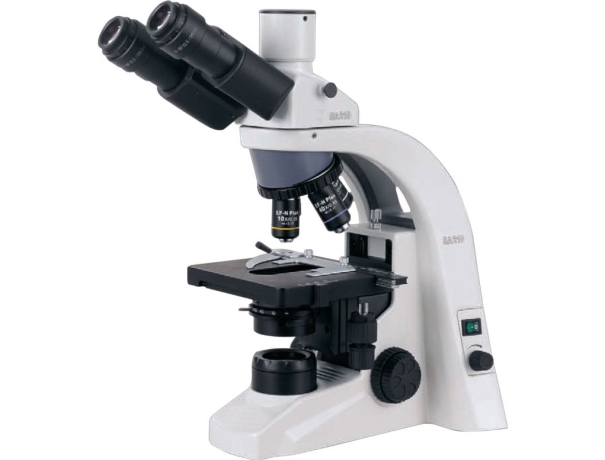
Environmental Microscopes for Ecological Studies, Field Research and Water Treatment
The environmental industry relies on accurate analysis of pollutants, microorganisms and complex materials that affect water, soil and air. In professional environmental laboratories, microscopes are essential tools for monitoring, control and informed decision-making.
Microscopy enables high-resolution identification of processes that cannot be seen with the naked eye, combining laboratory testing with field-based analysis. Proper microscope use supports environmental protection, pollution prevention and compliance with professional standards.
Why Microscopes Are Essential in the Environmental Industry
Microscopes are used for:
Identifying pollutants at micron level
Monitoring biological and chemical changes
Supporting quality control processes
Improving treatment and remediation processes
Meeting environmental standards in Israel and worldwide
Microscopes for Ecological Research
Ecological research focuses on understanding biological systems and their interaction with the environment. Microscopes allow researchers to analyze:
Microorganisms in water and soil
Cellular structures of plants
Plankton and water quality indicators
Biological indicators of pollution
Without microscopy, subtle changes in biodiversity cannot be properly identified. Early detection of these changes helps prevent damage to ecological systems and protect natural resources.
Microscopes for Field Research
Field research includes sampling and direct testing of natural or industrial sites. Portable and digital microscopes allow on-site analysis, including:
Rapid testing of water and soil samples
Immediate identification of biological pollutants
Real-time decision-making in the field
The main advantage is reduced dependence on external laboratories. Field microscopy enables rapid response, especially in cases of pollution or unusual environmental events.
Microscopes for Water Treatment
In water treatment, microscopes are central tools for monitoring biological processes, including:
Identification of bacteria, algae and protozoa
Examination of activated sludge in wastewater treatment plants
Monitoring biofilms in water systems
Drinking water quality testing
Biological systems in water treatment facilities are sensitive to changes. A microscope helps identify problems at an early stage and prevent failures in the treatment process, which may affect water quality and public health.
Microscopes for Soil Treatment
Contaminated soil requires accurate analysis of its structure and material composition. Microscopy helps understand contamination and remediation processes in depth:
Identification of polluting particles and heavy metals
Analysis of microbial activity in soil
Evaluation of bioremediation processes
Identification of organic and inorganic contaminants
Chemical testing alone does not provide the full picture. Microscopy helps reveal the relationship between soil particles and living organisms, which is critical for planning effective treatment processes.
Microscopes for Asbestos Identification
Asbestos is considered one of the most dangerous pollutants and requires accurate identification according to strict standards. Microscopes are used to detect asbestos fibers in different samples:
Air and environmental testing
Analysis of suspicious materials
Fiber identification using advanced microscopy
The fibers are not visible to the naked eye, but exposure to them may cause serious health risks. Therefore, microscopy is a central professional tool for accurate asbestos identification.
Microscopes for Drilling Mud
In drilling industries, drilling mud analysis is an important part of process control:
Identification of particles and minerals
Detection of contaminants in drilling fluids
Analysis of rock samples
Evaluation of drilling process efficiency
A microscope makes it possible to understand the composition of drilling mud at a microscopic level, which directly affects drilling success, fault prevention and operating cost reduction.