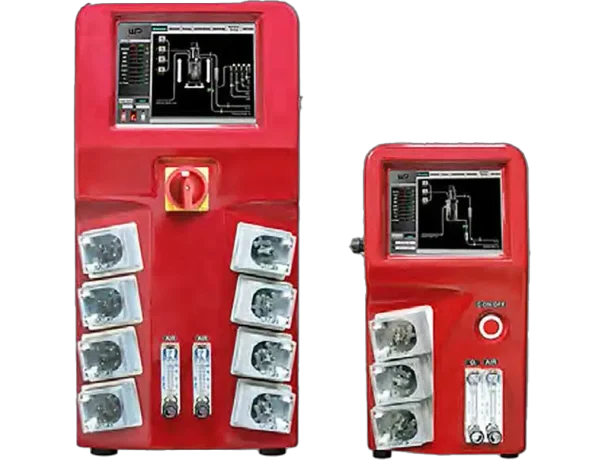
A laboratory bioreactor is a vessel designed to support biological reactions under tightly controlled conditions. It allows researchers to manage temperature, pH, oxygen, agitation, and nutrient supply with precision. The goal is simple: give cells the perfect environment to do their job efficiently.
What is a Fermentor?
A fermentor is traditionally associated with microbial processes like bacteria or yeast fermentation. In practice, the term is often used interchangeably with bioreactor. However, fermentor usually implies microbial growth, while bioreactor can include animal, plant, or insect cells.
Are Bioreactors and Fermentors the Same?
In everyday lab language, yes. In strict technical terms, fermentors are a subset of bioreactors. The distinction matters less in daily operation and more in documentation and regulatory contexts.
Why Laboratory Bioreactors Are Essential in Modern Science
Laboratory bioreactors are where ideas turn into data and data turns into products.
Role in Research and Development
From testing new antibiotics to developing vaccines, bioreactors provide reproducible and scalable conditions. They allow scientists to experiment without guesswork.
Importance in Industrial Scale Up
What works in a petri dish rarely works at production scale. Bioreactors bridge that gap by simulating industrial conditions at the laboratory level.
Key Components of a Laboratory Bioreactor
A bioreactor is more than a tank. It is a system where every component plays a role.
Vessel Design and Materials
Most laboratory bioreactors use borosilicate glass or stainless steel. Glass allows visual monitoring, while stainless steel offers durability and pressure resistance.
Agitation and Mixing Systems
Impellers keep cells suspended and nutrients evenly distributed. Too little mixing starves cells. Too much damages them. Balance is everything.
Aeration and Gas Control
Oxygen is often the limiting factor in biological growth.
Oxygen Transfer Basics
Efficient oxygen transfer depends on sparger design, agitation speed, and gas flow rate. Poor oxygen transfer equals poor productivity.
Temperature Control Systems
Even small temperature shifts can disrupt metabolic pathways. Heating jackets or internal coils keep conditions stable.
pH and Dissolved Oxygen Sensors
These sensors are the eyes and ears of the bioreactor. Accurate readings enable real time adjustments and consistent results.
Types of Laboratory Bioreactors
Different processes demand different designs.
Stirred Tank Bioreactors
The most common type. Flexible, reliable, and suitable for most applications.
Airlift Bioreactors
These use gas flow instead of mechanical stirring. They reduce shear stress and energy consumption.
Bubble Column Bioreactors
Simple design, fewer moving parts, and ideal for shear sensitive cultures.
Single Use Bioreactors
Disposable systems reduce cleaning time and contamination risk. They are gaining popularity fast.
Fermentation Modes Explained
How you feed and harvest matters just as much as how you grow.
Batch Fermentation
All nutrients are added at the start. Simple, but limited in productivity.
Fed Batch Fermentation
Nutrients are added gradually. This prevents inhibition and boosts yield.
Continuous Fermentation
Fresh medium flows in while product flows out. Highly efficient but complex to control.
Uses of Laboratory Bioreactors
Bioreactors are used wherever biology meets production.
Microbial Fermentation
Production of antibiotics, organic acids, and biofuels.
Cell Culture Applications
Growth of mammalian cells for vaccines and therapeutic proteins.
Enzyme and Protein Production
Industrial enzymes for food, detergents, and diagnostics.
Biopharmaceutical Research
Monoclonal antibodies, hormones, and advanced therapies all start here.
Control Parameters That Define Success
Success lives in the details.
Temperature Stability
Cells thrive within narrow temperature windows.
pH Regulation
Automatic acid and base addition keeps metabolism on track.
Dissolved Oxygen Control
Too little oxygen slows growth. Too much can be toxic.
Foam Control
Foam reduces gas exchange and risks contamination. Antifoam systems keep it under control.
Scaling Up From Lab to Production
Scaling up is not copy paste engineering.
Why Scale Up Is Challenging
Fluid dynamics, heat transfer, and oxygen delivery change with volume.
Maintaining Process Consistency
The goal is to replicate biological behavior, not mechanical settings.
Automation and Digital Control Systems
Modern bioreactors are smart.
Software and Data Logging
Continuous data collection improves reproducibility and compliance.
Remote Monitoring Capabilities
Researchers can track processes without being tied to the lab.
Selecting the Right Laboratory Bioreactor
Choosing wrong costs time and money.
Volume and Working Capacity
Always plan for future expansion.
Process Requirements
Microbial and cell culture processes have different needs.
Budget and Long Term Use
Initial cost matters, but operating cost matters more.
Applications of Laboratory Bioreactors
Laboratory bioreactors are controlled systems used to grow microorganisms, cells, or tissues under precisely regulated conditions. Their applications span research, development, and early stage production across multiple industries.
1. Microbial Fermentation
Used for cultivating bacteria, yeast, and fungi for:
- Enzyme production
- Antibiotics and secondary metabolites
- Organic acids, alcohols, and amino acids
- Industrial strain optimization and scale-up studies
2. Cell Culture and Biopharmaceuticals
Essential in mammalian and insect cell cultivation for:
- Monoclonal antibody development
- Vaccine research and production
- Recombinant protein expression
- Cell line screening and process optimization
3. Biotechnology Research and Development
Applied in academic and industrial R&D for:
- Metabolic pathway analysis
- Synthetic biology and genetic engineering
- Media formulation testing
- Oxygen transfer and shear stress studies
4. Tissue Engineering and Regenerative Medicine
Used to support complex cell growth for:
- 3D tissue constructs
- Stem cell differentiation
- Scaffold based tissue development
- Biomechanical stimulation studies
5. Food and Beverage Research
Supports innovation and quality control in:
- Dairy fermentation (yogurt, cheese cultures)
- Brewing and winemaking research
- Probiotics and functional foods
- Flavor and texture optimization
6. Environmental and Wastewater Studies
Applied in environmental biotechnology for:
- Biodegradation and bioremediation research
- Activated sludge modeling
- Anaerobic digestion studies
- Nutrient removal process development
7. Algae and Bioenergy Research
Used in renewable energy and sustainability projects:
- Microalgae cultivation
- Biofuel and bioplastic research
- CO₂ utilization studies
- Photobioreactor performance testing
8. Process Development and Scale-Up
Critical for bridging lab and production scale:
- Batch, fed-batch, and continuous process testing
- Control strategy development
- Sensor validation and automation testing
- Data generation for pilot scale transfer
9. Pharmaceutical Quality and Stability Studies
Supports controlled biological testing for:
- Stability of biologically derived products
- Process reproducibility validation
- Regulatory documentation and process characterization
10. Education and Training
Widely used in universities and training centers for:
- Teaching bioprocess engineering principles
- Hands-on fermentation and cell culture training
- Demonstrating bioreactor control systems