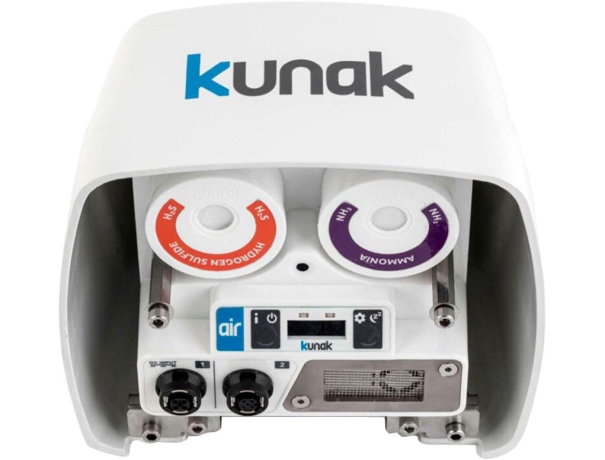
Air Quality Monitoring Stations Are important in safeguarding the environment and public health. With the rise in pollution levels globally, these stations have become indispensable tools for governments, environmental agencies, and communities. Understanding their role is crucial in addressing the challenges posed by deteriorating air quality. At its core, an Air Quality Monitoring Station is designed to assess the concentration of pollutants in the air. These stations utilize advanced sensors and detectors to measure the levels of pollutants such as particulate matter, ozone, nitrogen dioxide, and sulfur dioxide. The data collected provides valuable insights into the overall air quality of a specific location.
Sensors and Detectors
The heart of any monitoring station lies in its sensors and detectors. These components are responsible for accurately measuring pollutant levels. Technological advancements have led to the development of highly sensitive and specific sensors, ensuring precise data collection.
Benefits of Air Quality Monitoring Stations
Environmental Impact
Effective air quality monitoring has a direct impact on the environment. By identifying pollution sources and trends, authorities can implement targeted measures to reduce emissions, leading to improved air quality and ecosystem health.
Health Implications
The health benefits of air quality monitoring are significant. Timely data allows for the issuance of health advisories during periods of poor air quality, protecting vulnerable populations and reducing the overall burden on healthcare systems.
Application of Air Quality Monitoring Stations
- Urban Air Quality Management:
- Monitoring stations in urban areas help assess the concentration of pollutants such as particulate matter (PM), nitrogen dioxide (NO2), sulfur dioxide (SO2), carbon monoxide (CO), and ozone (O3). This data is essential for managing and mitigating the impact of air pollution on public health.
- Industrial Emissions Control:
- In industrial zones, monitoring stations help regulate emissions from factories and manufacturing units. Real-time data assists in enforcing emission standards and identifying sources of pollution, enabling industries to adopt cleaner practices.
- Health Impact Assessment:
- Air quality data collected from monitoring stations is used to assess the potential health risks associated with exposure to specific pollutants. This information is valuable for public health officials, researchers, and policymakers to formulate strategies for minimizing health hazards.
- Traffic Management:
- Stations located near roadways monitor pollutants generated by vehicular traffic. This data aids in developing effective traffic management strategies, such as congestion pricing, promoting public transportation, and implementing emission control measures.
- Emergency Response and Public Awareness:
- Air quality monitoring stations are crucial during environmental emergencies, such as wildfires, industrial accidents, or natural disasters. Timely data helps authorities respond effectively and communicate health advisories to the public.
- Climate Change Research:
- Monitoring stations contribute data for studying the long-term trends in air quality and understanding the impact of pollutants on climate change. This information is vital for climate researchers and policymakers working on sustainable development goals.
- Compliance Monitoring for Regulatory Standards:
- Governments use air quality data to ensure compliance with environmental regulations and standards. Monitoring stations help authorities identify areas where pollution levels exceed permissible limits and take corrective measures.
- Research and Development:
- Scientists use data from monitoring stations to conduct research on air quality trends, the effectiveness of pollution control measures, and the development of new technologies to combat air pollution.
- Educational Purposes:
- Monitoring stations provide an educational resource for schools and universities. Students can analyze real-time data to understand the practical implications of air quality monitoring and explore solutions for environmental challenges.
- International Cooperation:
- Shared air quality data between nations facilitates international cooperation in addressing transboundary air pollution issues. Collaboration on monitoring and mitigating air pollution is essential for global environmental sustainability.